
How to Prepare Your Property for a Local Generator Install
Installing a generator is a significant undertaking that can provide peace of mind during power outages. Proper preparation ensures a smooth installation process, increased efficiency, and enhanced safety. This article will guide you through the essential steps needed to get your property ready for a generator installation.
1. Assessing Your Power Needs
A. Identifying Critical Appliances
Identifying critical appliances is the first step in assessing your power needs. Begin by listing essential devices and systems that must remain operational during a power outage. These typically include refrigerators, medical equipment, heating, and cooling systems, among others. Your ability to function effectively during an outage largely depends on these key appliances. It's vital to prioritize essential appliances to ensure adequate power distribution during emergencies.
B. Understanding Power Consumption
Once you've identified critical appliances, understanding their power consumption is critical. Each device uses a specific amount of electricity, typically noted in watts. By reviewing the power requirements on the appliance's label, you can gather data necessary for your generator's capacity planning. Understanding these needs helps in estimating the total power requirements during an outage. Avoid guessing power consumption levels to prevent overloading the generator, compromising efficiency and safety.
C. Calculating Total Wattage
With the power consumption of individual appliances identified, you must calculate the total wattage required. Start by summing the wattages of all critical devices and systems. Having precise wattage data ensures the selected generator will meet all needs without the risk of overloading. Include a safety margin in your calculations to manage unexpected power surges effectively. Accurate calculations support efficient generator sizing and avoid potential operational challenges.
D. Considering Future Power Needs
While current power needs are paramount, considering future requirements is also crucial. Domestic or business demands can increase over time due to new appliances or expansions. Anticipating these changes ensures your generator will remain adequate in the years to come. By integrating projected power needs, you avoid the unnecessary expense of upgrading the generator prematurely. Future-proofing your generator capacity is both cost-effective and practical.
E. Consulting with a Professional
Transitioning from assessment to implementation typically necessitates professional help. Professionals provide insights on the best practices for adequate power calculations and generator installation. They ensure compliance with local electrical codes, minimizing safety risks. A professional assessment can also identify potential inefficiencies or areas for optimization. Their expertise ultimately streamlines the preparatory process, ensuring comprehensive readiness for generator installation.
2. Selecting the Right Generator
A. Types of Generators
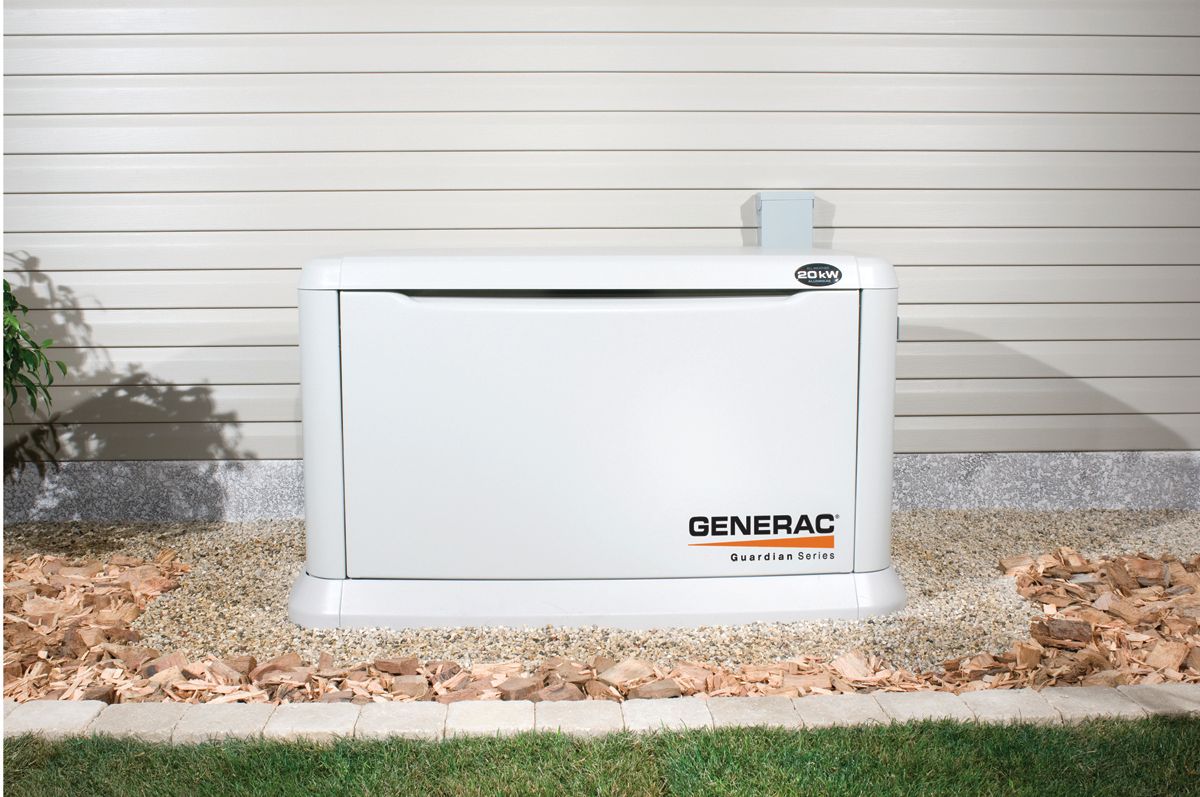
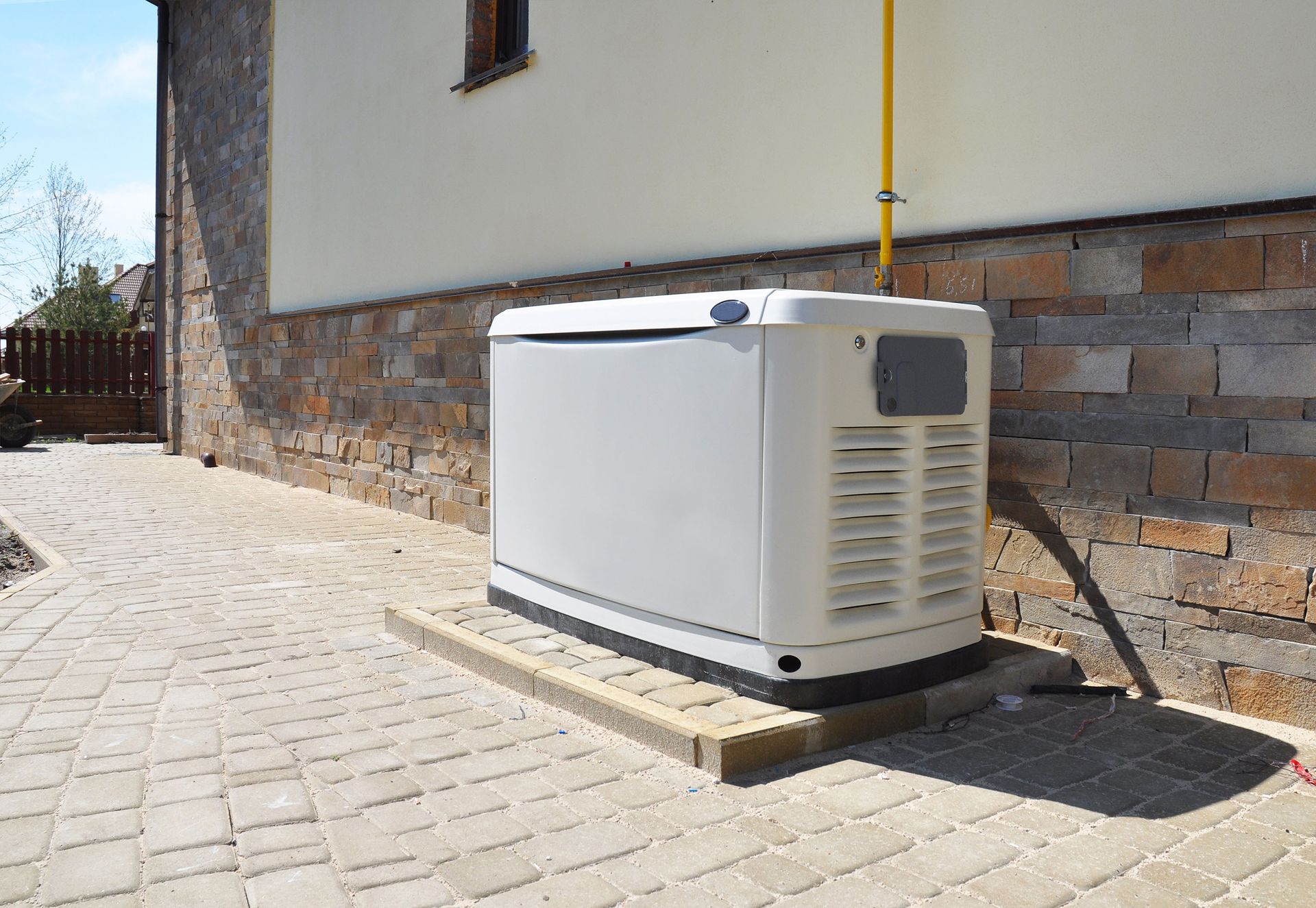
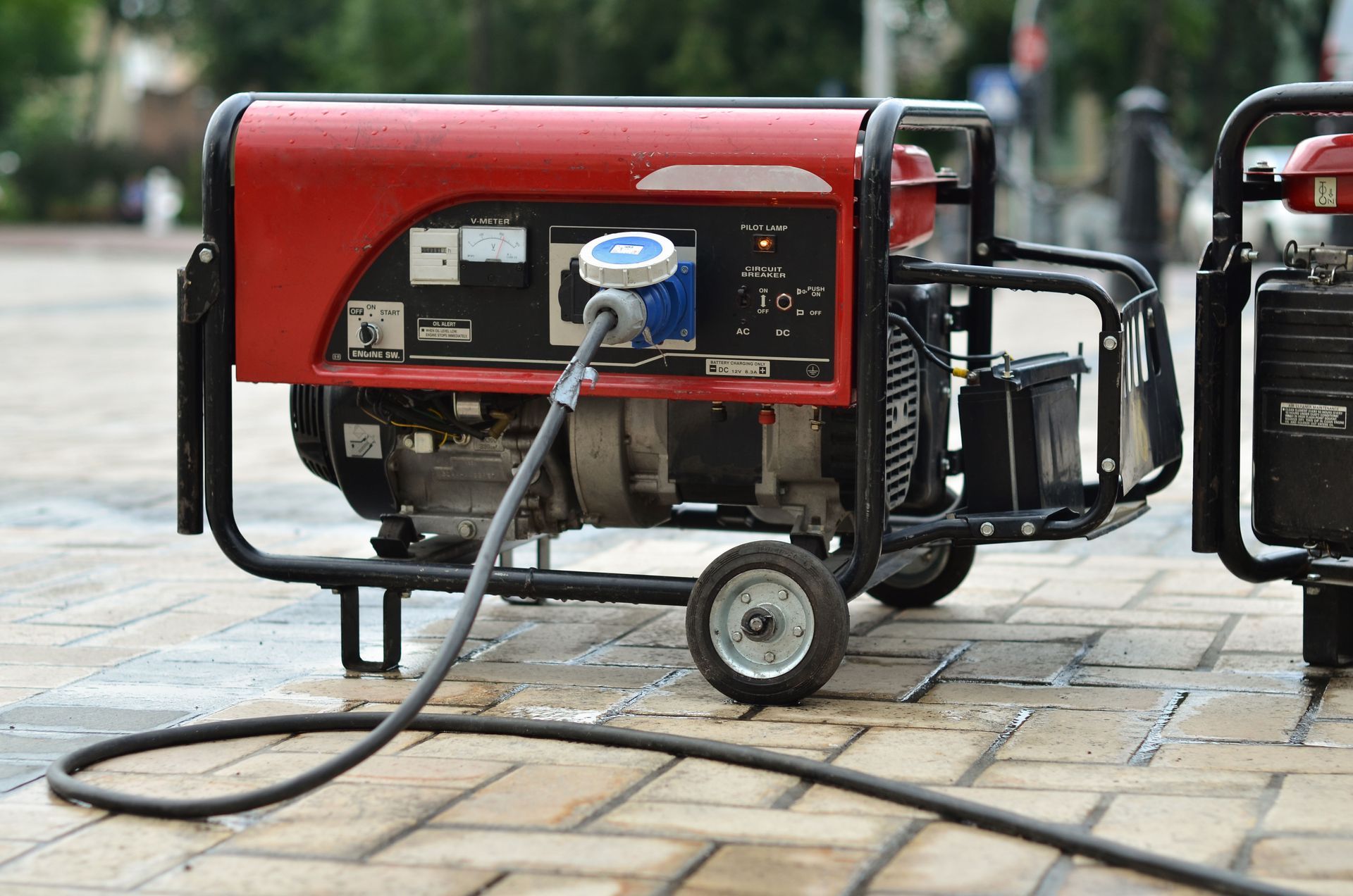
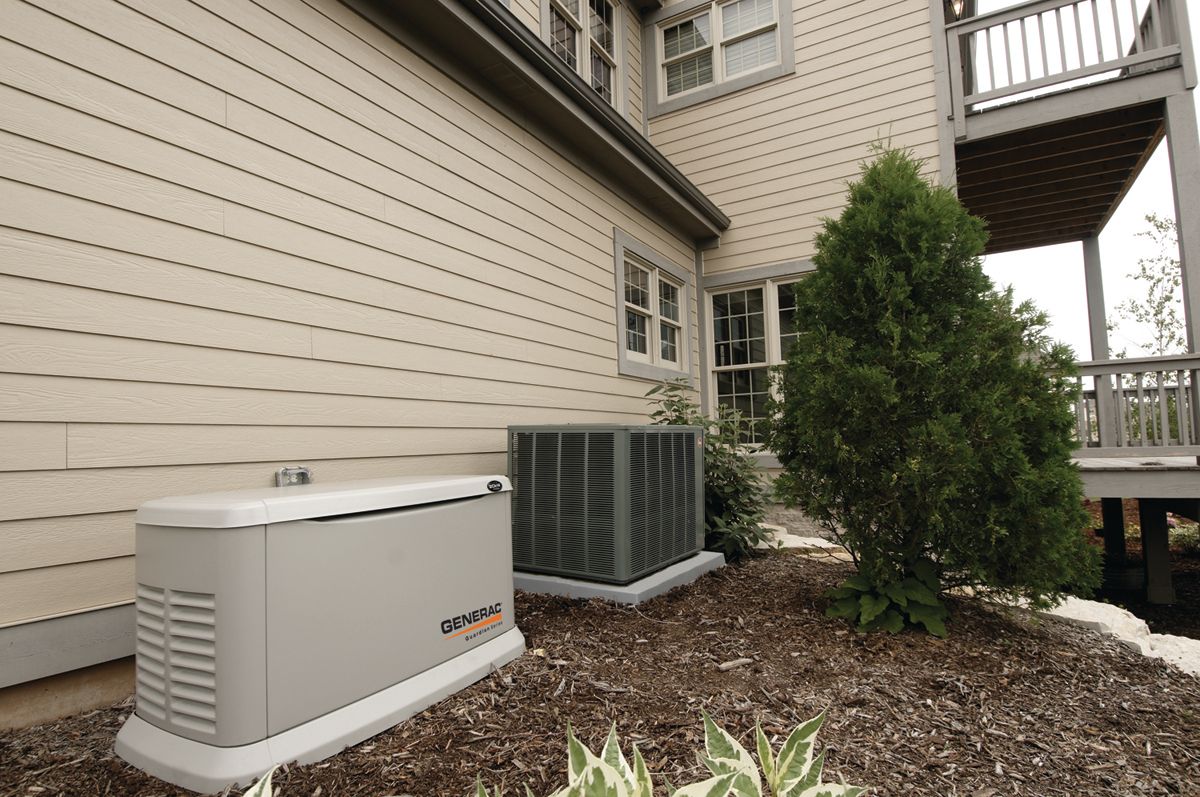
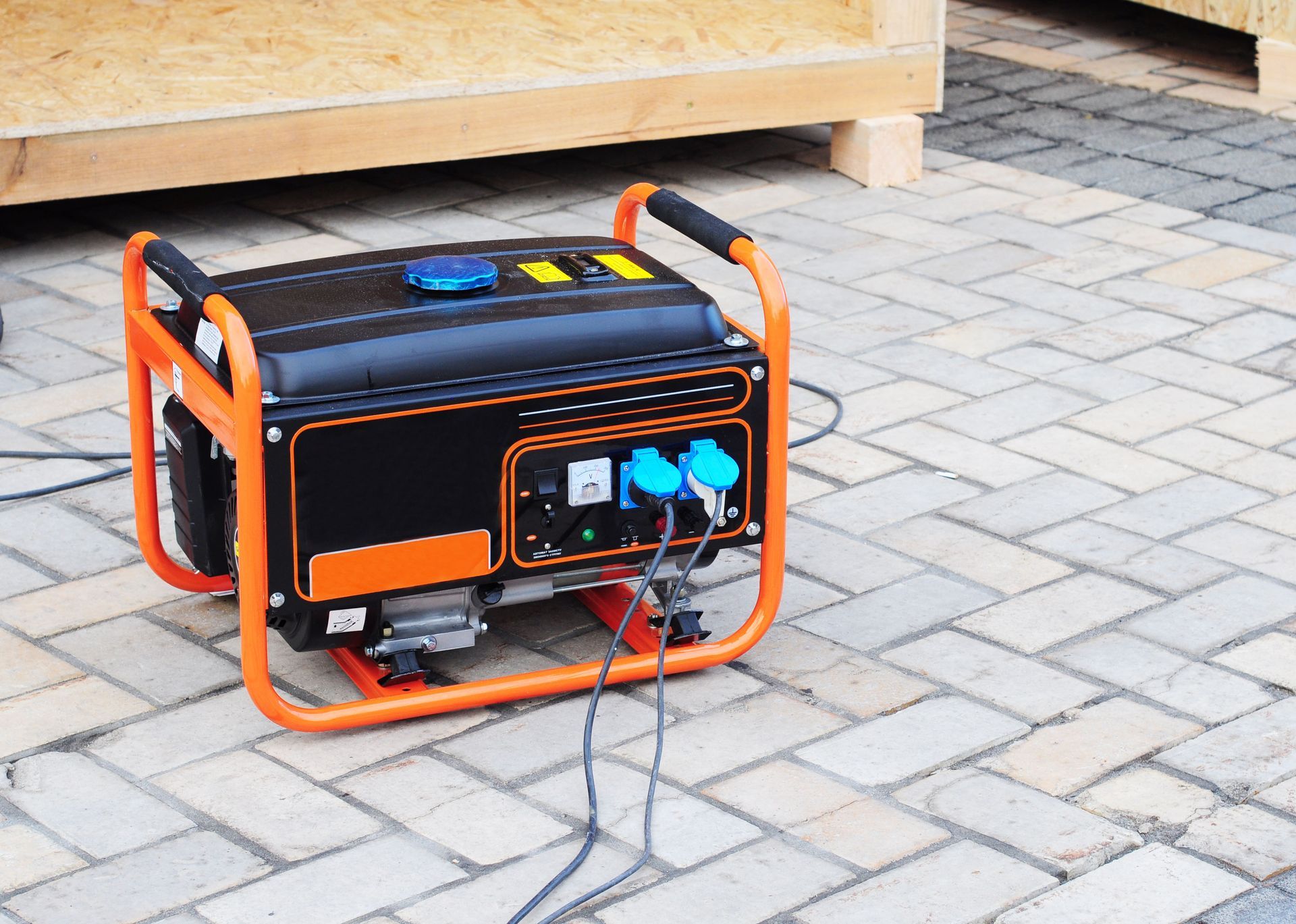
There are several types of generators, each suited to different applications and needs. Portable generators are versatile and easy to move, making them ideal for temporary or small-scale use. Standby generators are permanently installed and can automatically provide power during outages. They're perfect for ensuring uninterrupted power supply for homes and businesses. Tailoring the type of generator to your specific needs is key to maximizing efficiency and reliability.
B. Sizing the Generator
Sizing the generator correctly is essential to ensure it meets your power demands without excessive operational strain. Determine the generator's capacity based on the total wattage requirements calculated earlier. An undersized generator will struggle to power all essential devices, leading to potential equipment failures. Conversely, an oversized generator results in wasted energy and higher operating costs. A balanced generator size guarantees optimal performance and cost-effectiveness.
C. Evaluating Fuel Sources
Fuel choices significantly influence a generator’s operational efficiency and convenience. Common options include gasoline, diesel, propane, and natural gas, each with its pros and cons. Natural gas and propane are often favored for their clean-burning properties and consistent availability. However, diesel generators tend to offer more robust power output for industrial needs. Selecting the fuel source hinges on availability, usage frequency, and specific power requirements.
D. Comparing Brand Options
Various brands offer generators, each with distinct features, price points, and reliability records. Established brands generally provide more robust warranties, customer support, and service centers. Comparing different brands based on performance history and customer feedback is beneficial. Brand reputation and after-sales support are critical evaluation factors that impact long-term satisfaction. A well-regarded brand can mean the difference in reliability during critical outage situations.
E. Reading Reviews and Ratings
Reviews and ratings from other customers and industry experts provide valuable insights into a generator's performance. Consider real-world experiences and feedback that highlight potential strengths and weaknesses. Online forums and consumer websites often offer detailed reviews that cover the product's ease of use and durability. Balancing consumer reviews with expert critiques ensures comprehensive evaluation. Recognized industry ratings and awards can also guide your decision-making process.
3. Preparing the Installation Site
A. Choosing the Location
Choosing the optimal location for installing your generator is a crucial preparatory step. Ideally, the location should be easily accessible for maintenance but away from living spaces to mitigate noise. The site should also allow for proper ventilation to prevent overheating and emissions build-up. Consider proximity to fuel sources and electrical connections for installation efficiency. Strategic placement minimizes operational disruptions while enhancing safety and functionality.
B. Meeting Local Zoning Requirements
Compliance with local zoning laws is mandatory for avoiding legal complications during generator installation. Zoning laws dictate permissible locations, noise limitations, and structural requirements specific to generator setups. Failure to adhere to these regulations can result in fines, penalties, or mandated relocation of the generator. Consulting with local authorities ensures your installation site aligns with all legal stipulations. Addressing zoning requirements early secures a legally compliant installation process.
C. Ensuring Proper Ventilation
Adequate ventilation is essential for ensuring the generator operates safely and efficiently. Proper airflow prevents the build-up of exhaust gases which can pose life-threatening risks if not managed. Install the generator in a space that allows emissions to dissipate quickly and safely. Natural wind and open areas help maintain ideal ventilation conditions. Neglecting ventilation precautions can undermine both personal safety and generator performance.
D. Establishing a Stable Base
A stable base plays a pivotal role in maintaining generator integrity and operational efficiency. A concrete or reinforced foundation prevents vibration-related issues that could lead to mechanical failures. Stability also ensures the generator remains level, crucial for consistent operation and power output. Creating a dedicated foundation underscores long-term reliability and minimized maintenance needs. Any shortcuts in base preparation can compromise both generator stability and performance.
4. Electrical System Considerations
A. Evaluating Your Current System
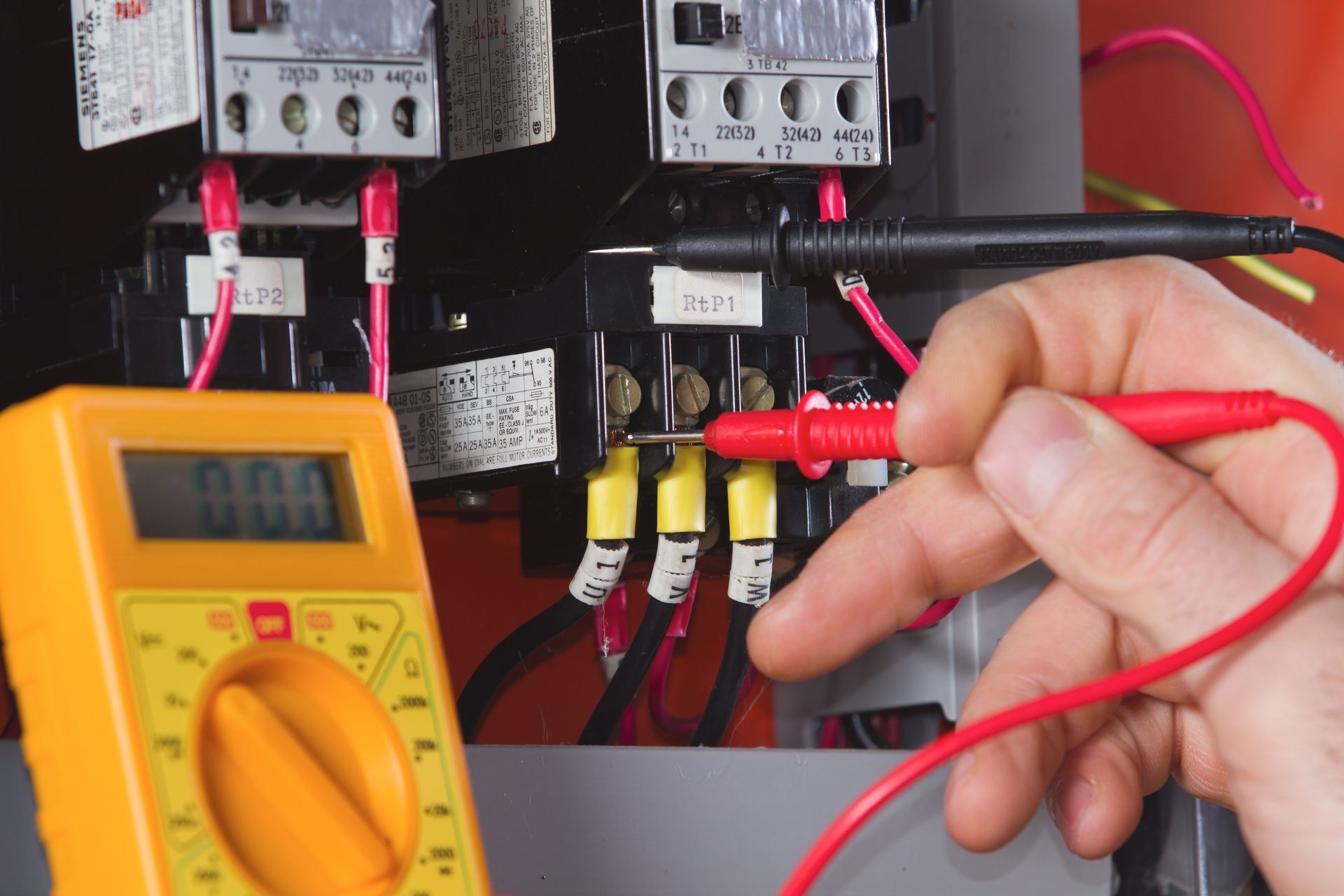
Understanding your current electrical system configuration is foundational for generator installation. Evaluations reveal compatibility and capacity adjustments needed to accommodate generator integration. A thorough analysis identifies changes required in wiring, panels, and outlets. Preparing existing systems to handle additional loads ensures efficient and safe operation. Comprehensive evaluations also help pinpoint potential obstacles prior to installation, streamlining the process.
B. Installing a Transfer Switch
A transfer switch is a critical component of the generator installation process. It allows for a seamless transition between grid power and generator-supplied power during an outage. Installing a transfer switch also prevents back-feed, protecting both the generator and utility workers. For optimal system performance, engage a licensed electrician for transfer switch setup and integration. Proper installation ensures a reliable power supply shift, safeguarding your property's electrical integrity.
Preparing for a generator installation involves careful planning and attention to detail. By following these steps, you can ensure that your property is adequately prepared, thus maximizing the safety, efficiency, and reliability of your new generator. Remember to consult with professionals, adhere to regulations, and stay informed to make the best choices for your energy needs. According to the U.S. Energy Information Administration (EIA), the average duration of power outages has more than doubled during the past five years, attributed to worsening weather conditions combined with archaic infrastructure. Be sure to reach out to Stansbury Electric today to learn more about our professional local generator install!






Share On: