
5 Essential Tips on Using Home Generators Safely
Power outages can strike at any time—whether caused by severe weather, natural disasters, or unexpected utility failures—and when they do, a reliable home generator can make all the difference. These devices help keep your lights on, appliances running, and family safe and comfortable until power is restored. However, owning a generator also comes with serious safety responsibilities. If not used correctly, they can pose hazards ranging from carbon monoxide poisoning to fire risks and electrical shocks.
In this blog, we’ll walk you through five essential safety tips every homeowner should follow when operating a generator. Whether you’re considering purchasing one for the first time or already own one, understanding how to use your equipment properly is crucial. With the right precautions in place, home generators can be a powerful tool for peace of mind.
Let’s explore the top five safety tips you need to know to get the most out of your generator—safely and effectively.
1. Always Operate Generators Outdoors and Away from Living Spaces
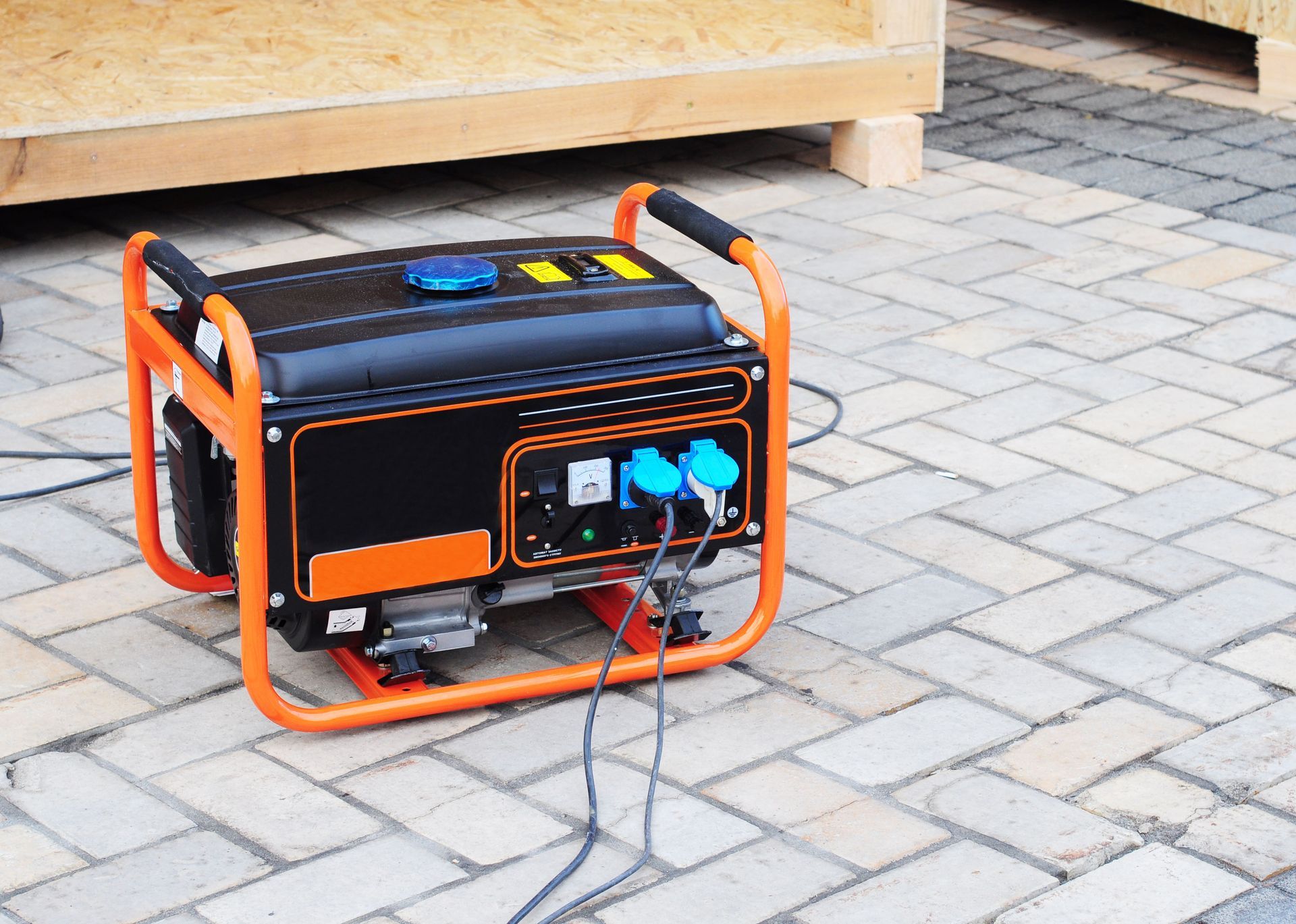
One of the most critical safety rules when using a generator is to keep it outside and well away from your home. The reason is simple: home generators, especially portable models, emit carbon monoxide (CO), a colorless, odorless gas that can be deadly in high concentrations. Even a short time operating a generator in a garage, basement, or enclosed space—even with the door open—can lead to dangerous CO buildup.
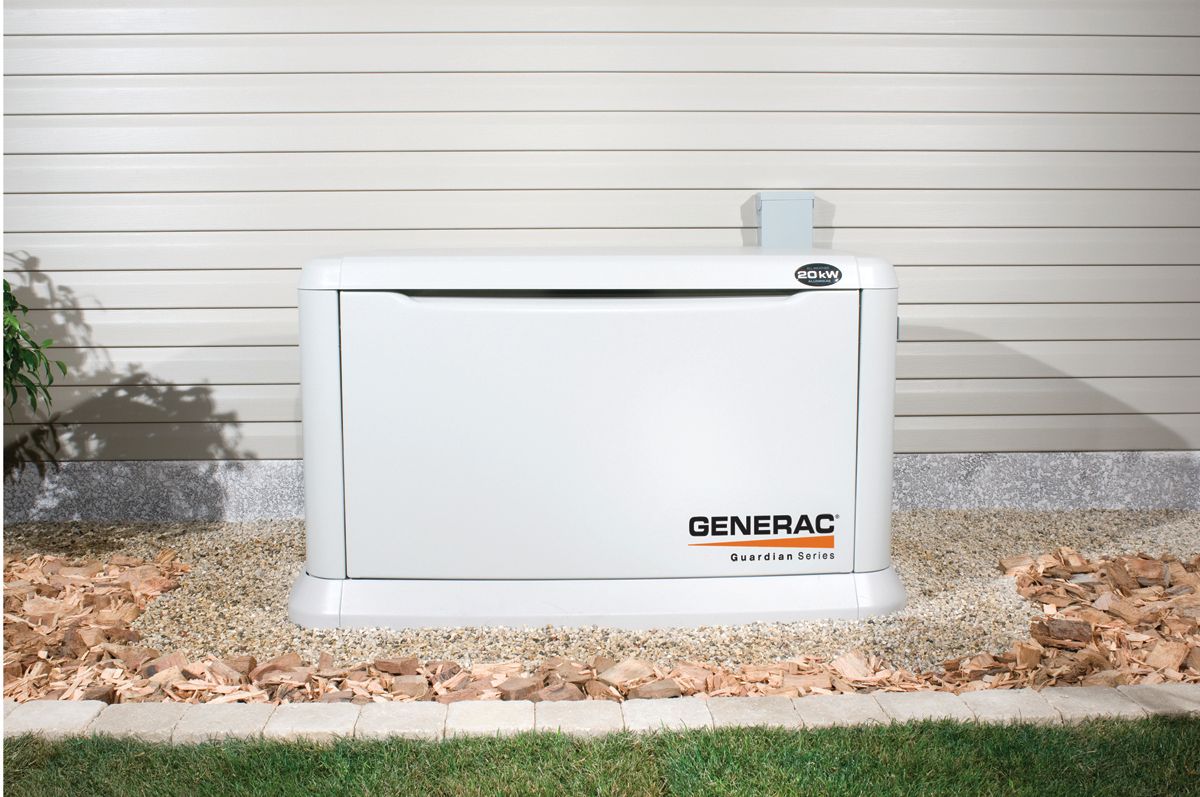
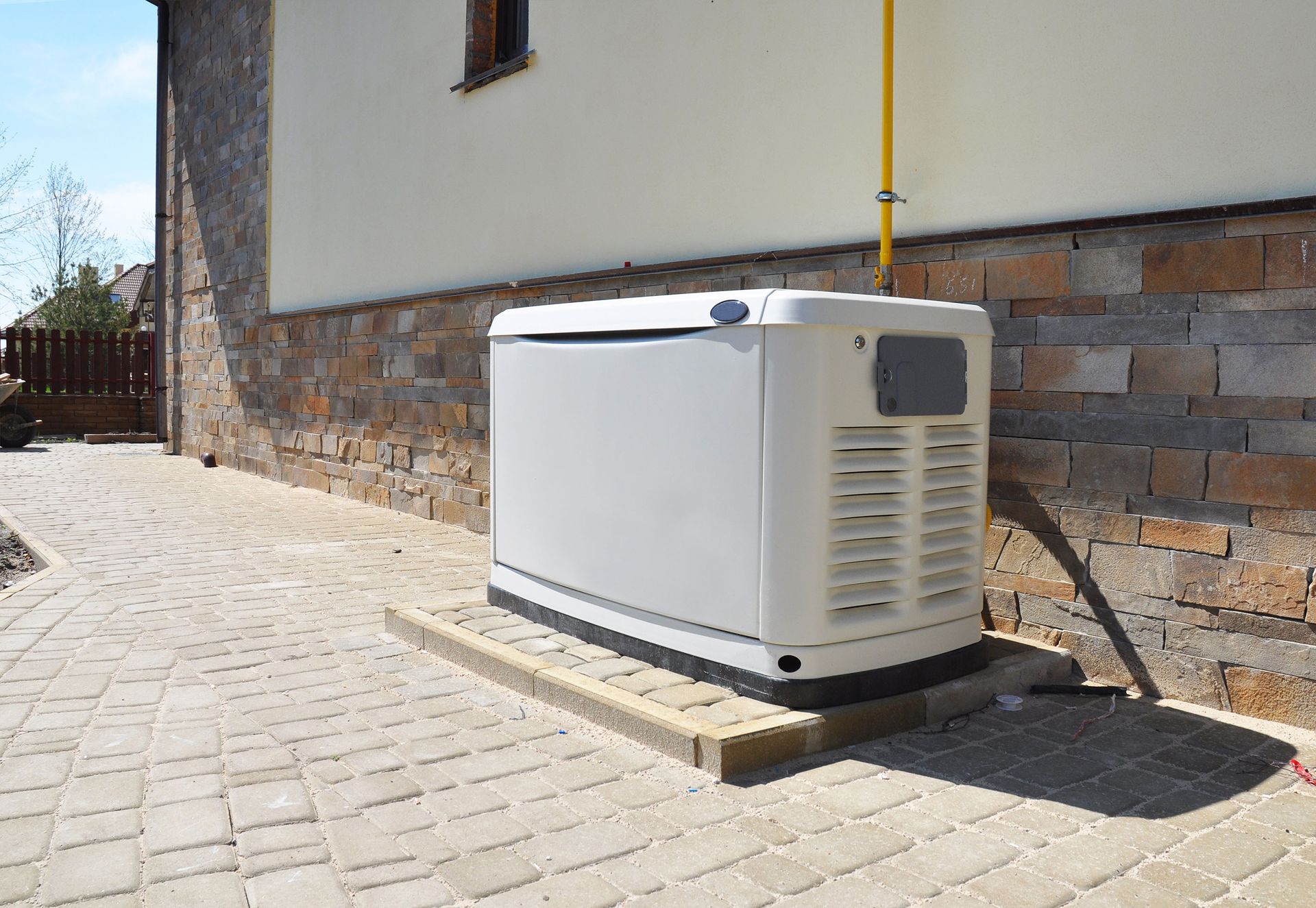
To ensure safe operation, place your generator at least 20 feet away from your house, windows, doors, and vents. Ideally, set it on a dry, level surface in a well-ventilated area. Many homeowners opt to use a generator tent or canopy to shield it from rain while still allowing proper airflow. Always point the exhaust away from living areas, and never try to operate the generator indoors under any circumstances.
Investing in battery-operated carbon monoxide detectors is also highly recommended. Place them throughout your home, especially near sleeping areas, and test them regularly. These inexpensive devices could save your life in the event of an undetected leak.
2. Use the Right Cords and Connections
Another essential part of safe generator use involves how you connect it to the appliances and systems in your home. Improper wiring or using the wrong cords can lead to electrocution, fire, or damage to your electronics.
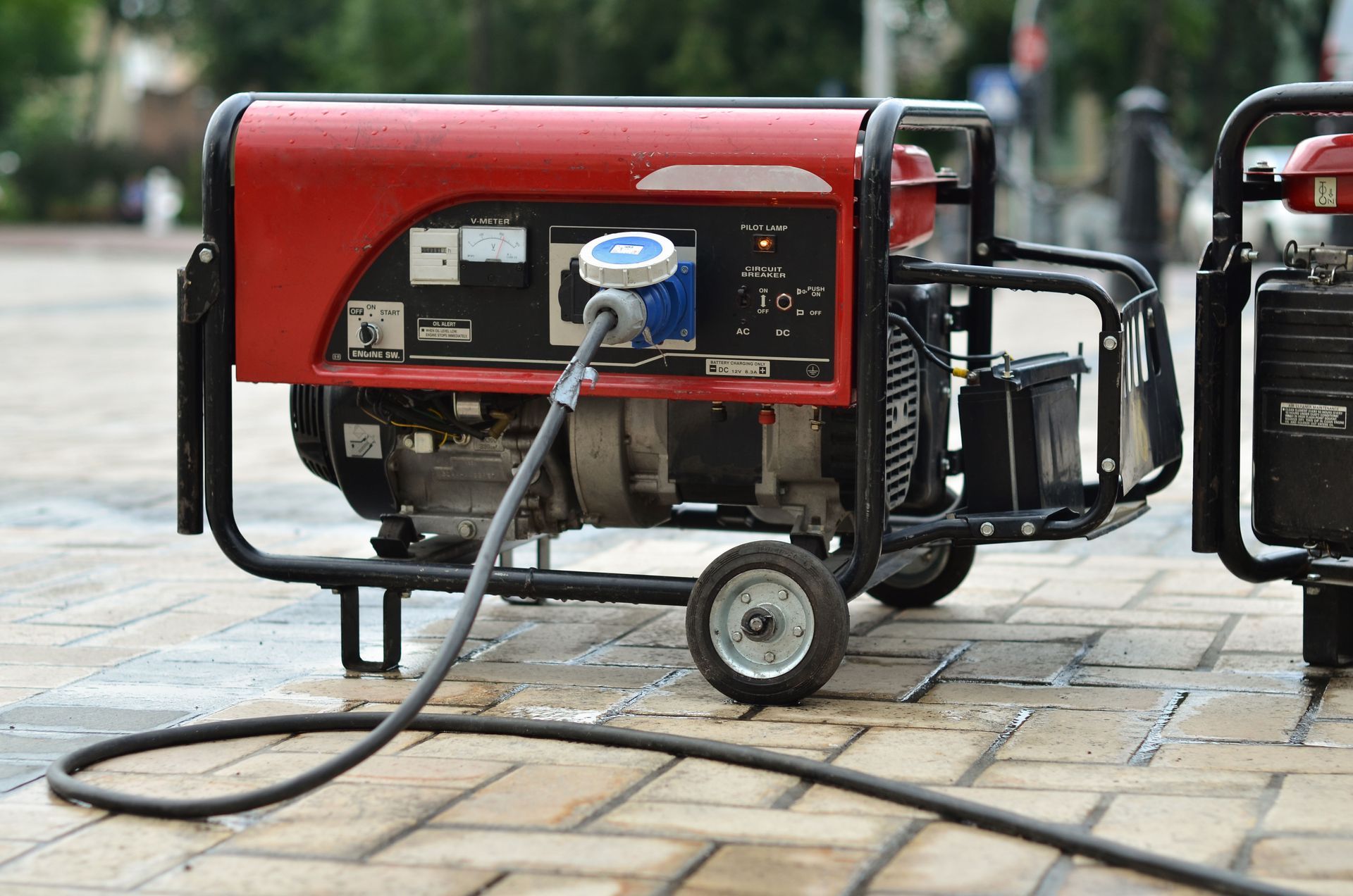
Start by carefully reading the manufacturer’s instructions and only use cords that meet safety standards. According to the OSHA fact sheet on using portable generators safely, always plug electrical appliances directly into the generator using the manufacturer’s supplied cords or extension cords that are grounded (3-pronged). This ensures proper grounding and reduces the risk of electric shock.
Avoid using undersized or damaged extension cords, which can overheat and catch fire. The cords you use should be heavy-duty and rated for outdoor use, with sufficient capacity to handle the wattage of the appliances you plan to power. Also, regularly inspect cords for wear, fraying, or exposed wires.
3. Don’t Overload Your Generator
Every generator has a specific power output rating, measured in watts, which determines how much electrical load it can handle. Exceeding that limit can cause the generator to overheat or shut down, and in worst-case scenarios, may result in fire or damaged appliances. It’s important to understand both the starting wattage and running wattage of the devices you intend to power.
To avoid overload, make a list of the essential appliances you need during a power outage and calculate their total wattage requirements. Include things like your refrigerator, sump pump, heater, or essential medical equipment. Many devices draw more power when starting up than when running, so account for those surges in your calculations.
4. Keep Fuel Storage and Handling Safe
Fuel safety is another vital aspect of operating home generators responsibly. Most generators run on gasoline, diesel, or propane, and storing and handling these fuels incorrectly can result in serious hazards including fires and explosions.
Always store fuel in clearly labeled, approved safety containers made for gasoline or diesel. Keep them in a cool, dry place away from your home and out of reach of children. Never store fuel indoors or near any ignition sources such as heaters, pilot lights, or electrical outlets.
When refueling your generator, turn it off and allow it to cool for at least 10 to 15 minutes. Pouring fuel into a hot engine can lead to accidental ignition. Use a funnel to reduce spills, and clean up any that occur right away. For propane-powered units, regularly check hoses and connections for leaks.
Be mindful of fuel shelf life, too. Gasoline, for example, begins to degrade within a few months. To extend its usability, consider adding a fuel stabilizer. For long-term preparedness, rotate your fuel supply regularly and never use stale or contaminated fuel.
5. Maintain Your Generator Regularly
Just like any other major appliance or engine, home generators require regular maintenance to ensure safe and efficient performance. Neglecting upkeep can not only lead to equipment failure when you need it most but may also increase the risk of fire, carbon monoxide exposure, and other safety issues.
Start by checking the oil level before every use, especially during extended outages. Most generator engines require oil changes after a certain number of running hours, which will be detailed in the owner's manual. Keeping a supply of oil and filters on hand is a good idea.
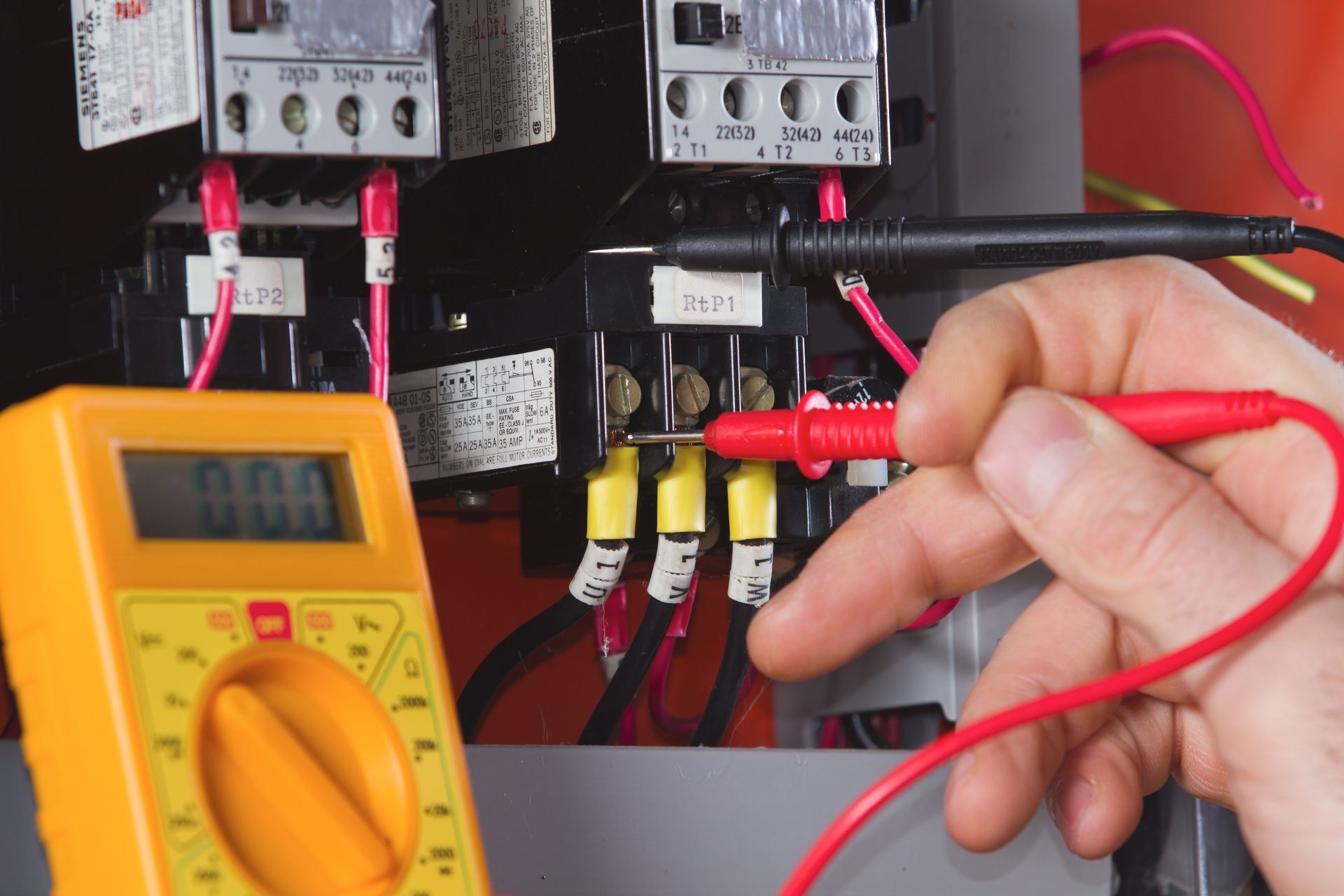
Inspect the air filter, spark plug, and fuel lines regularly, replacing them as needed. Make sure the battery is charged (for electric start models) and run the generator every few months to keep the engine in good working condition. This short test run also allows you to check for unusual noises, vibrations, or leaks that may indicate a problem.
Store your generator in a clean, dry area when not in use. If you’re storing it long-term, drain the fuel tank or add a stabilizer and run the engine for a few minutes to circulate the treated fuel. Cover the unit with a breathable, weather-resistant cover to keep out dust and moisture.
It’s also wise to review the owner’s manual at least once a year and refresh your knowledge on safe operation. If your generator has digital features or monitoring apps, keep the software updated. Preventative maintenance is the key to ensuring that your generator is ready when the next power outage hits.
Home generators offer a reliable backup solution in emergencies, keeping your household functioning when the power grid goes down. But with great power comes great responsibility. Using your generator safely requires thoughtful planning, proper setup, and ongoing maintenance. From keeping it outside and well-ventilated to using the correct cords, never overloading the unit, and handling fuel with care, every step you take adds a layer of protection for your family and your home.
Whether you're a new owner or have relied on home generators for years, staying informed and proactive is the best way to get the most out of your equipment. Keep these guidelines in mind, and you’ll be ready to face any power outage with confidence and peace of mind.
Be ready before the next outage strikes—contact Stansbury Electric for expert guidance, installation, and maintenance of home generators tailored to your needs. Let our team help you power your home safely and reliably, no matter the weather.



Share On: