
How to Care for Your Home Generator
There's no denying the importance of a well-maintained home generator, particularly in areas susceptible to frequent outages. A generator acts as a lifeline, ensuring continuity of essential services like refrigeration, heating, and lighting. By comprehensively understanding and executing routine maintenance, you can ensure your generator is always ready when you need it most.
1. Understanding Your Generator
A. Types of Home Generators
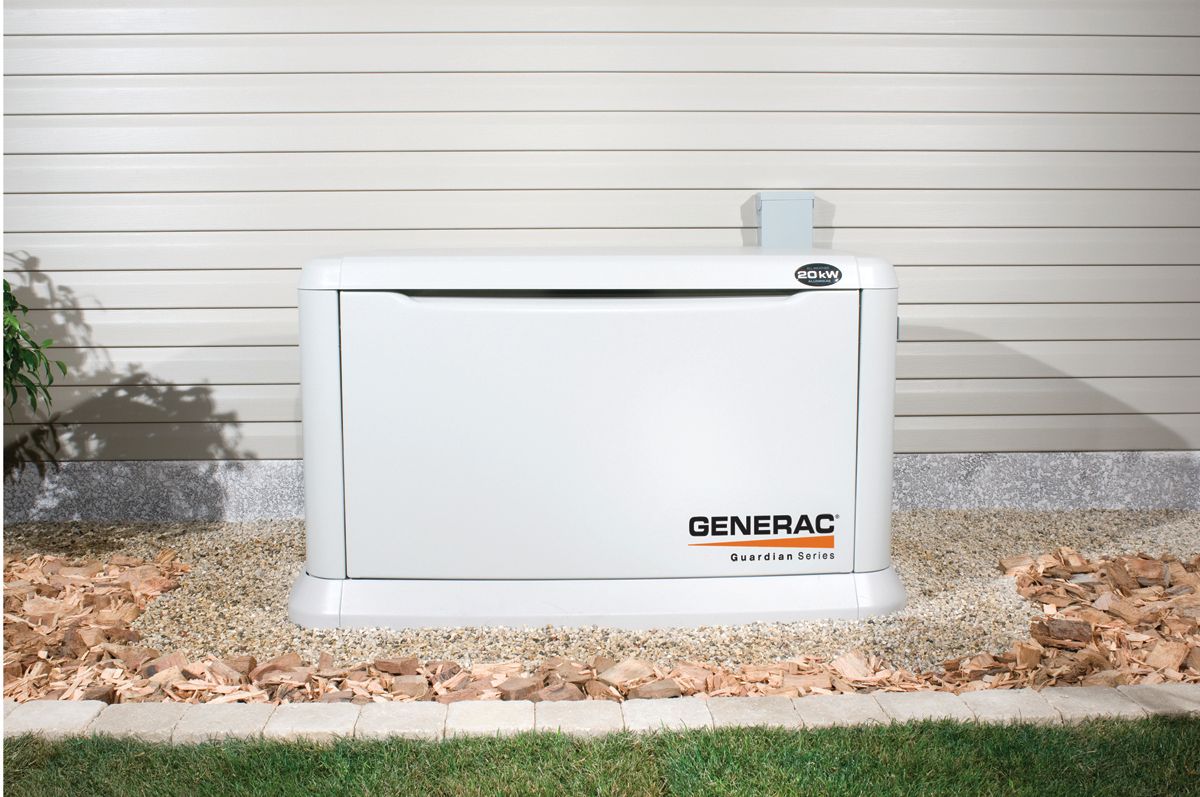
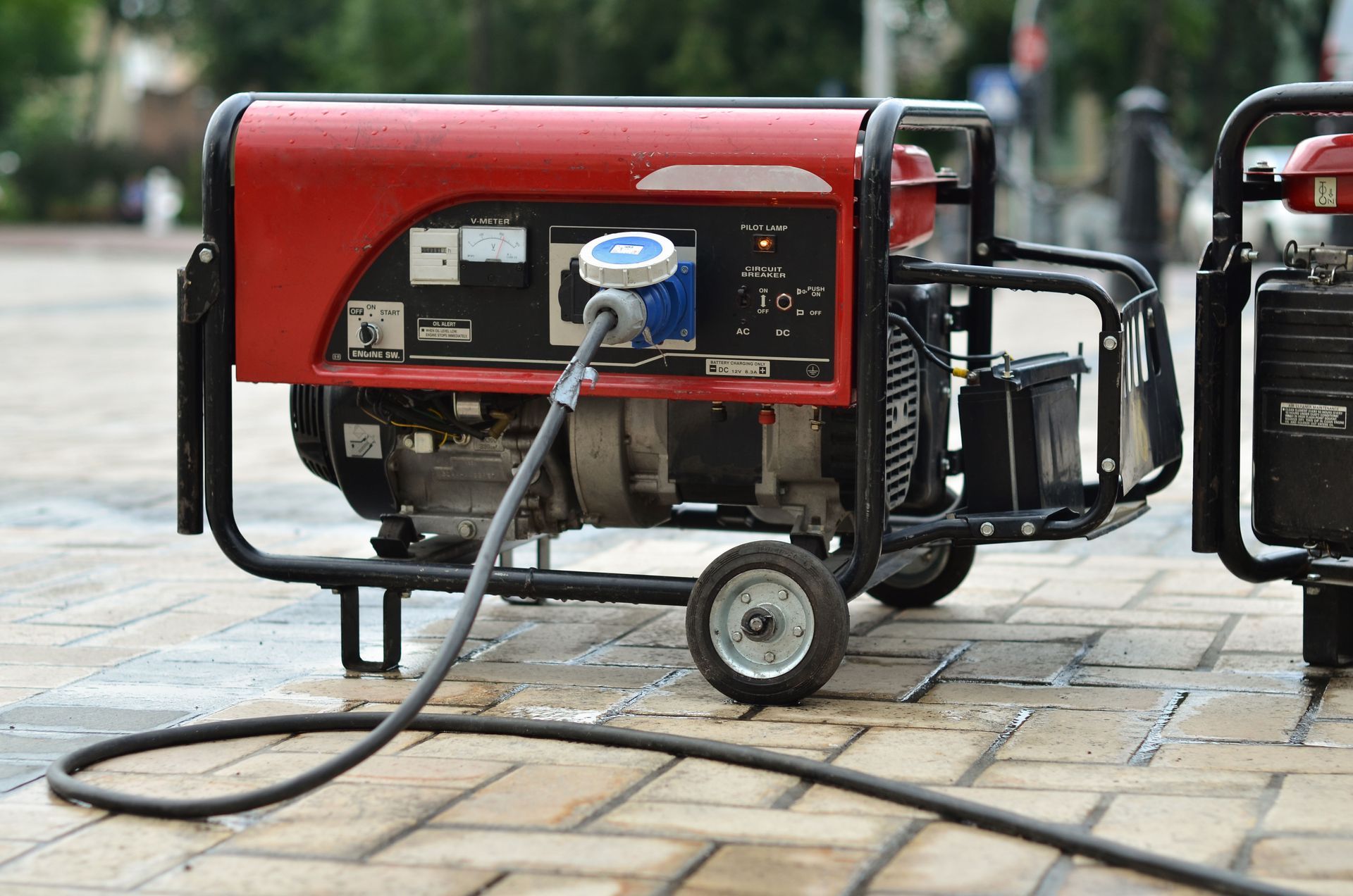
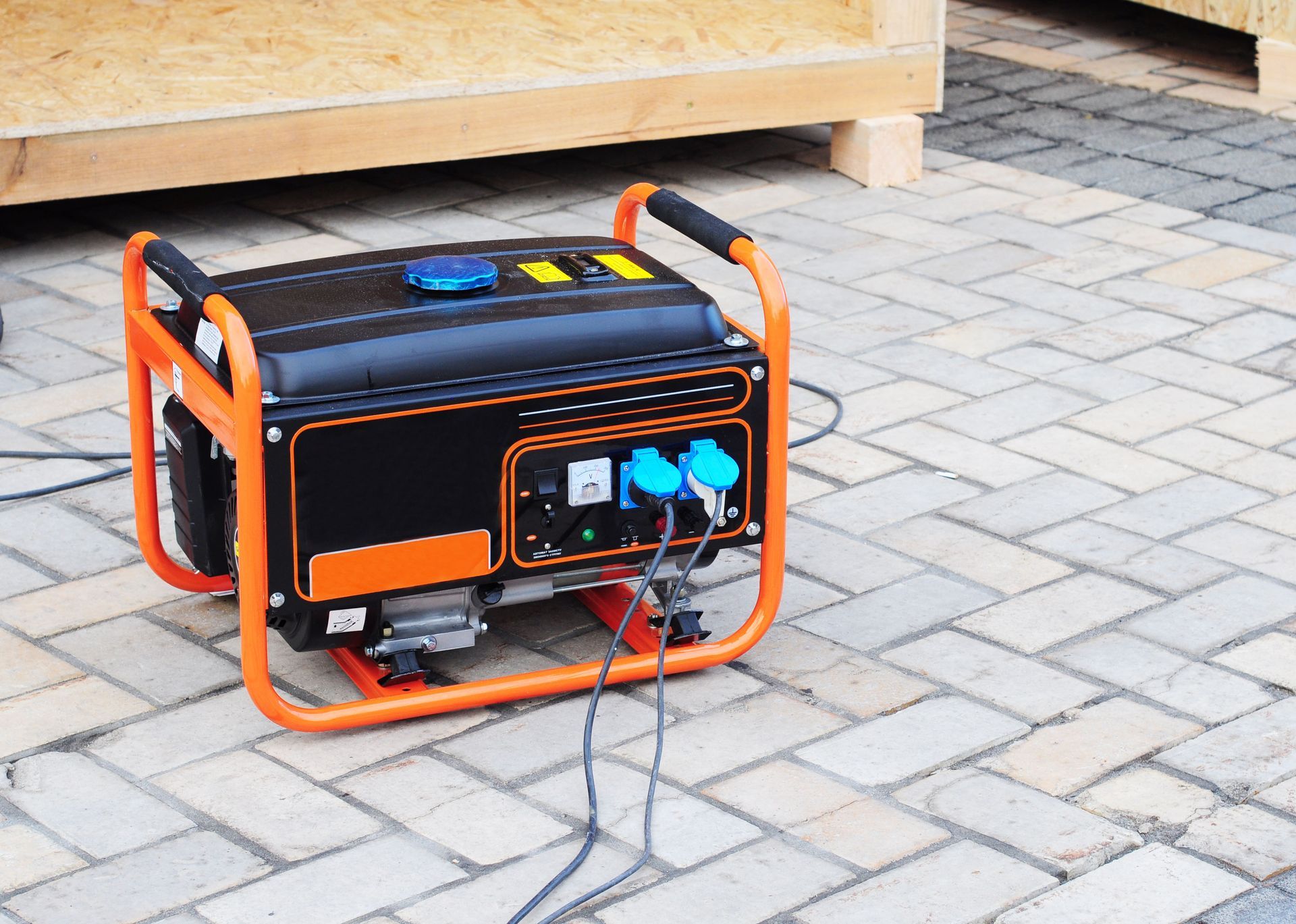
Home generators generally fall into two categories: portable and standby. Portable generators are versatile, often used for camping or occasional household outages. They run on gasoline, making them easy to refuel but requiring careful management of gas storage. Standby generators are more robust and usually connected to the home's electrical system, automatically engaging during power outages. They typically use propane or natural gas, with Consumer Reports noting the average system uses about 13 to 48 gallons per day during operation.
B. Key Components
The efficiency of a generator hinges on its components: the engine, alternator, fuel system, and control panel. The engine is the heart, determining the movement of electrical charges needed for home generation. The alternator converts mechanical energy into electrical energy, essential for the whole process. A generator's fuel system manages the incoming energy source, be it gasoline, propane, or natural gas. Meanwhile, the control panel orchestrates the activities, ensuring proper operation and safekeeping against overload.
C. Choosing the Right Size
Choosing the right generator size is crucial for efficiency. Too small a generator can cause overloads, while too large a generator can be inefficient and costly. Consider your household's power needs by counting essential appliances and calculating their power usage. A professional can assist with these calculations, ensuring you purchase a generator with a capacity matching your demands.
D. Setting Up a Maintenance Schedule
Establishing a regular maintenance schedule is crucial for long-term care. Routine inspections should address key areas like oil levels, filters, and fuel systems. Keeping a checklist simplifies the process, ensuring nothing is overlooked during each maintenance session. Regular upkeep minimizes wear, prevents breakdowns, and can vastly extend the generator's lifespan. Proactive maintenance reduces the need for more costly repairs down the line.
E. Types of Fuels and Stability
Generators often run on gasoline, propane, or natural gas, each possessing different aspects of stability and storage requirements. Gasoline is common in portable generators but has a shorter shelf life than alternatives. Conversely, propane and natural gas provide cleaner burning, longer shelf life, and, according to Consumer Reports, have generators consuming between 13 and 48 gallons per day. The chosen fuel type impacts operating costs and maintenance frequency.
2. Routine Inspection and Care
A. Visual Inspection Checklist
A visual inspection is a simple yet effective way to catch potential issues early. Begin by checking for visible leaks, worn-out cables, and structural damage. Regular inspections also help identify any loose components that could become problematic during operation. Over time, wear and tear can affect the generator's performance, making routine checks essential for maintaining its integrity.
B. Testing the Electrical System
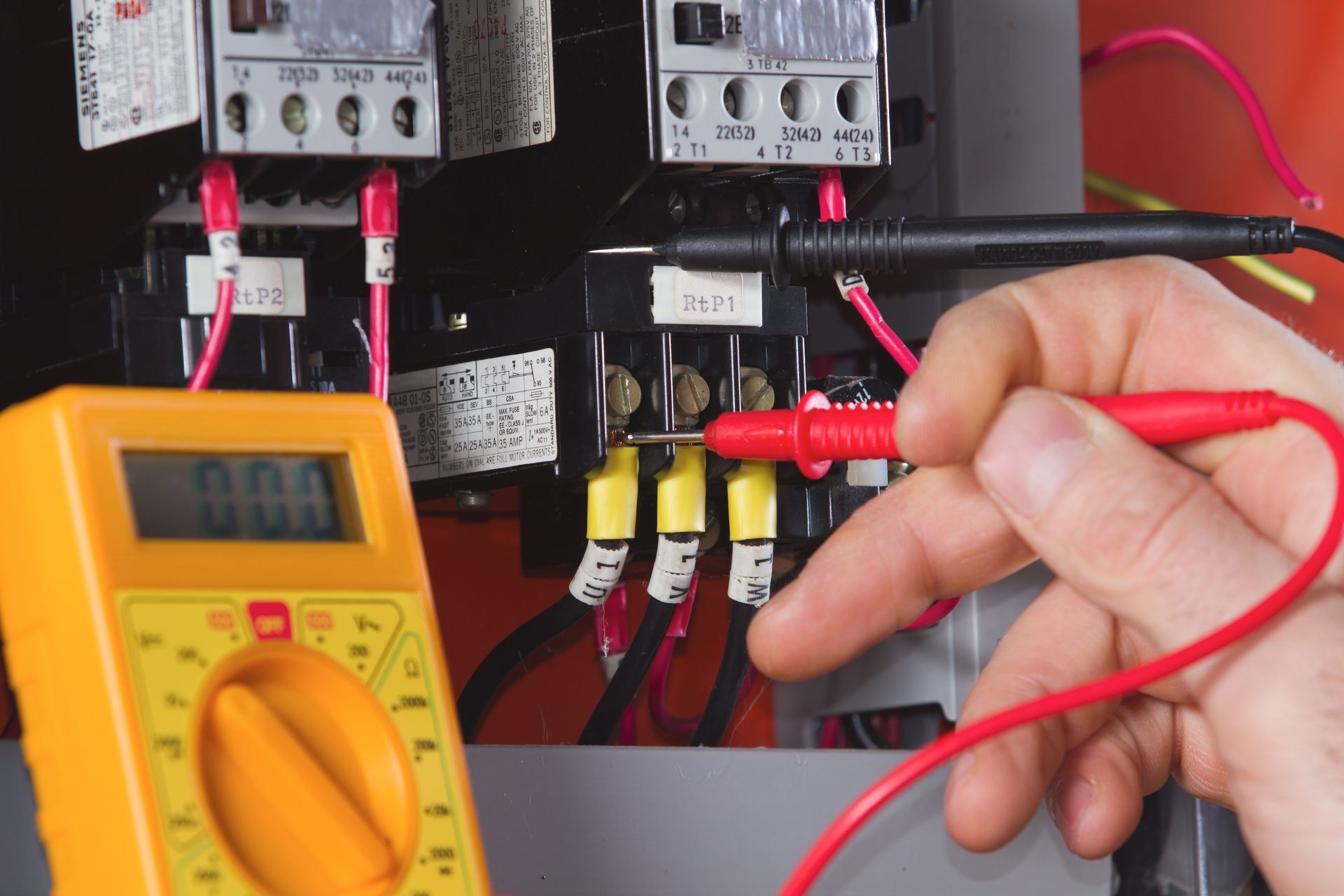
Ensuring the generator’s electrical system is functional is crucial to its overall performance. Conduct regular tests to ensure it connects seamlessly to the home’s electrical system when a power outage occurs. Regular testing confirms the generator's ability to handle the household load without tripping or causing electrical issues. It's wise to simulate outages occasionally, allowing you to observe your home generator's performance in real time. Testing ensures readiness, minimizing surprises during actual power outages.
C. Checking Fuel and Oil Levels
Proper fuel management is integral to your generator's functioning. Regularly check fuel levels to ensure enough supply during potential outages. Over time, fuel can degrade; therefore, using fresh fuel and occasionally treating the fuel system is recommended. Oil levels should also be monitored and changed according to the manufacturer's schedule, ensuring all parts are well-lubricated. Consumer Reports notes that a home generator can consume significant fuel, emphasizing the need for efficient management.
D. Battery Maintenance
The generator’s battery is vital for reliable start-up and operation. Regularly inspect and clean battery terminals to prevent corrosion, which can impede electrical connections. Check the battery charge monthly and replace it as needed to ensure consistent operation. Keeping a fully charged and well-maintained battery is essential to prevent startup failures. Investing in routine battery maintenance can prolong the generator's usability during power loss.
E. Inspecting and Cleaning Air Filters
The air filter prevents dust and debris from entering the engine, ensuring clean combustion. Periodically inspect the filter for clogs and replace it to maintain optimal airflow. A clogged air filter can restrict air access, putting additional strain on your generator's engine. Regular maintenance of the air filter promotes efficient fuel use and protects the engine from unnecessary wear. Clean filters contribute significantly to prolonging the life of your generator.
3. Cooling and Exhaust Systems
A. Importance of Proper Ventilation
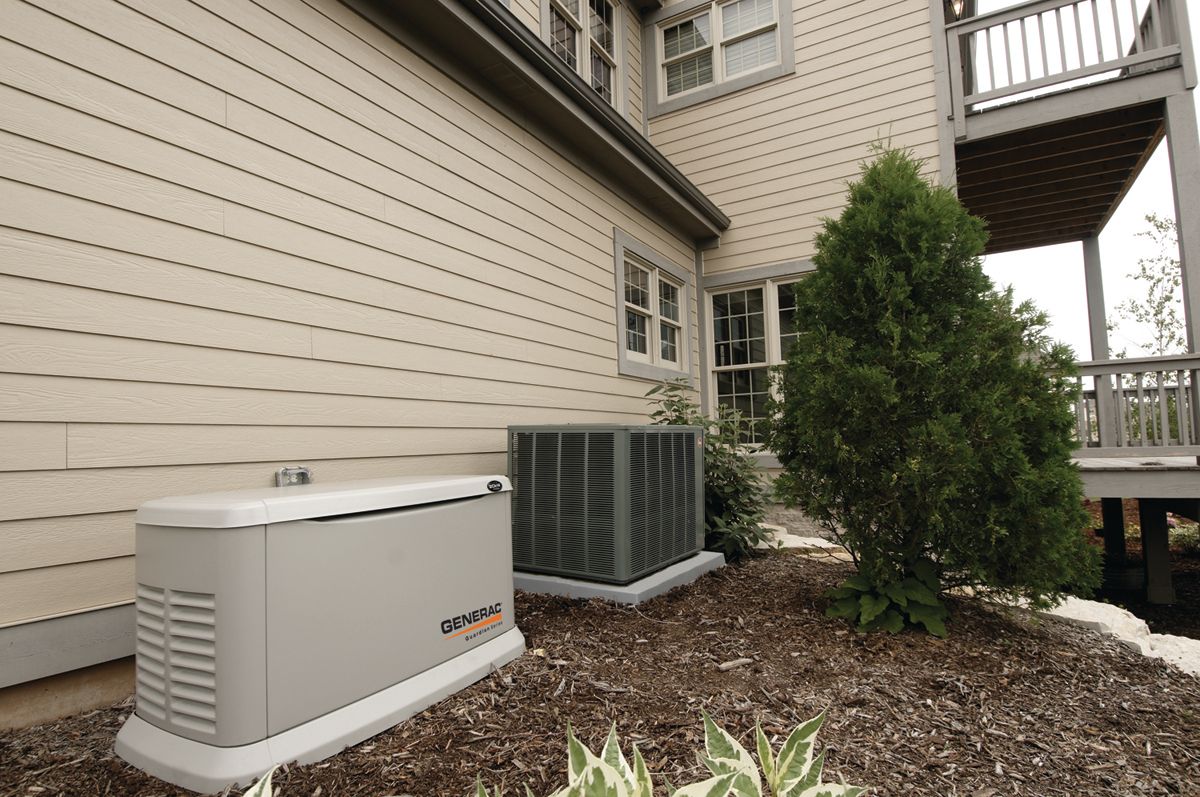
Proper ventilation is key in maintaining generator efficiency and safety. Insufficient ventilation can lead to overheating and poor combustion processes. Ensure the generator is placed in a location with ample airflow around all sides. Avoid enclosing your home generator in small, unventilated spaces, as this can lead to heat build-up and increased wear. Well-ventilated spaces protect against harmful exhaust buildup and promote long-lasting performance.
B. Checking the Coolant System
Regularly inspecting the coolant system is integral to preventing overheating. Coolants absorb engine heat, facilitating effective heat dissipation during operation. Check coolant levels frequently and replenish them as needed following the manufacturer's guidelines. A comprehensive inspection should include checking for leaks and ensuring hoses and belts are intact. Maintaining the coolant system's integrity reduces overheating risks, extending the generator's lifespan.
C. Inspecting Exhaust Components
Regular inspection of exhaust components is critical for safe generator operation. Inspect exhaust pipes, mufflers, and connections for any leaks or structural damage. A compromised exhaust system can lead to toxic fumes accumulating in undesired areas, posing health risks. Maintaining exhaust system integrity ensures safer emissions and effective discharge of combustion gases. Regular checks enhance safety and improve generator efficiency by ensuring complete combustion.
D. Regular Cleaning of Components
Cleaning essential generator components ensures smooth operation and minimized wear. Dust, debris, and other pollutants often gather in and around the generator, affecting performance. Regularly remove build-up from cooling fins, air filters, and exhaust covers, ensuring unhindered airflow. A clean machine runs more efficiently, generating less thermal stress and mechanical wear. Regular cleaning is a straightforward maintenance task that yields significant performance rewards.
5. Scheduled Professional Maintenance
A. When to Call a Professional
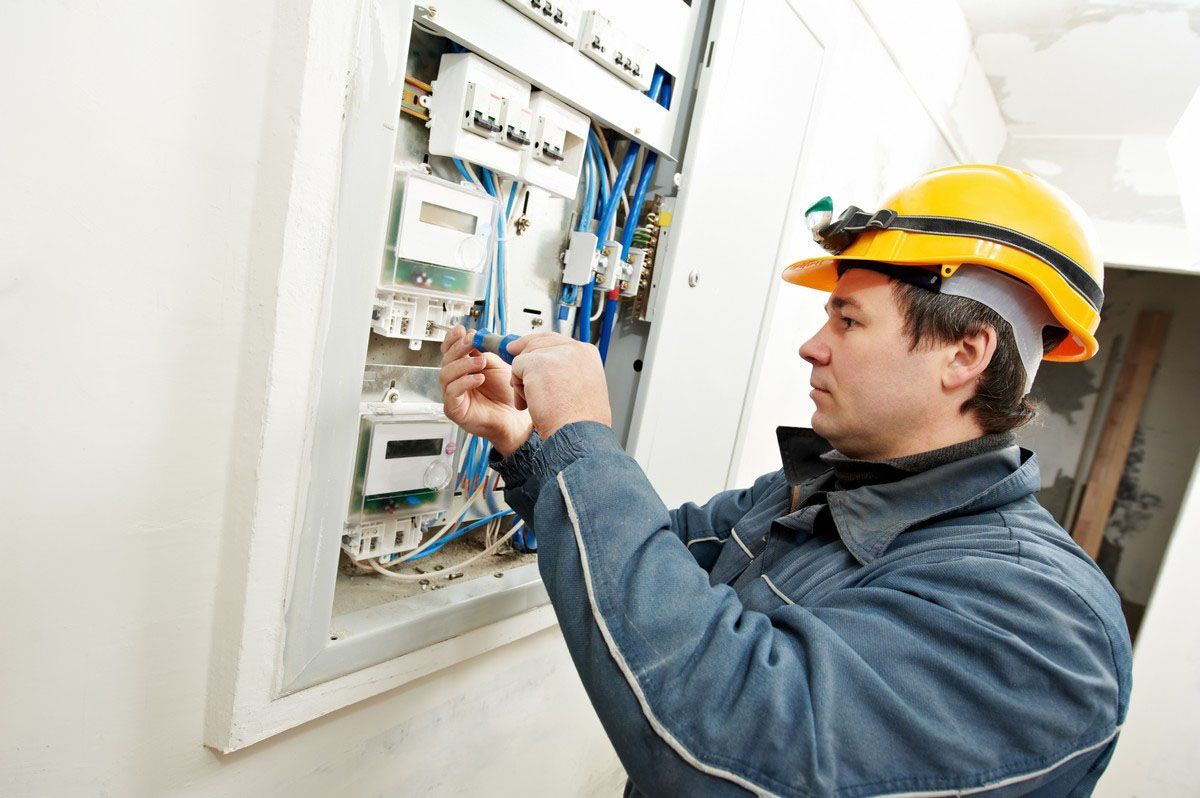
While homeowners can perform basic maintenance, professional servicing is sometimes required. When confronting complex electrical problems or significant mechanical failures, professional expertise is invaluable. Professionals have the knowledge and experience to accurately diagnose issues and offer effective solutions. Regular professional maintenance can unveil unseen problems that could lead to more significant issues if left unattended. Engaging a professional ensures your home generator operates within safe and optimal parameters, maintaining its longevity and performance.
B. Services Provided by Professionals
Professional maintenance services encompass a spectrum of technical inspections and adjustments. This includes testing electrical outputs, checking mechanical connections, and inspecting the generator's core components. They ensure that calibration and fuel efficiency meet manufacturer specifications. Regular visits from technicians also involve running comprehensive diagnostics to detect potential issues early. Engaging these services ensures thorough checks, beyond what most homeowners can accomplish independently, resulting in enhanced home generator reliability.
C. Annual Inspection Benefits
An annual professional inspection provides numerous benefits for maintenance and safety. It allows for thorough investigation using specialized tools unavailable to average consumers. Annual inspections include checking integral components, tuning performance, and assessing overall system health. This preventive approach reduces the chance of significant problems, prolonging the generator's lifespan. Regular professional inspections ensure your home generator readiness for emergencies, offering peace of mind throughout the year.
Regular maintenance and attention to detail will prevent common issues and ensure your generator is ready to perform during emergencies. Establishing a routine and understanding of your generator’s necessities guarantees peace of mind and cost savings. Proper home generator care is a long-term investment, safeguarding your home’s operational continuity through unforeseen power challenges. To learn more, contact Stansbury Electric today.



Share On: