
Finding Standby Generators: 7 Proven Tricks to Get the Best Deal Fast
A home generator can provide valuable backup power when severe weather, equipment failures, or utility interruptions leave a property without electricity. However, choosing the right system involves more than finding the lowest advertised price. Capacity, fuel source, installation requirements, electrical upgrades, warranties, and long-term maintenance can all influence the actual cost. Homeowners comparing standby generators benefit from looking at the entire project rather than focusing only on the equipment itself.
Backup power also fits into a larger conversation about electrical reliability. According to the Federal Energy Regulatory Commission's November 2024 Winter Energy Market and Electric Reliability Assessment, electricity markets were projected to add 62 GW of net winter generating capacity nationwide between March 2024 and February 2025 while retiring 7 GW during the same period. Even as grid capacity changes, individual homeowners may still experience outages. These seven strategies can help buyers compare options efficiently while avoiding decisions that create unnecessary costs later.
1. Compare Complete Installed Prices
Review Equipment and Labor Together
A generator price alone does not show what the finished project will cost. Professional installation can involve electrical work, placement preparation, wiring, transfer equipment, and other components. Comparing complete estimates gives homeowners a clearer picture of the actual investment.
Review Transfer Switch Costs
Automatic transfer equipment allows backup power to begin serving selected circuits or the home after an outage. Different systems can require different transfer arrangements, so this part of the estimate should be considered when comparing standby generators from multiple providers.
Review Permit and Inspection Costs
Local requirements can affect installation expenses. Permits, inspections, and other approvals may be necessary depending on the jurisdiction and scope of the project. A detailed proposal should clarify whether those costs are included.
Review Site Preparation Costs
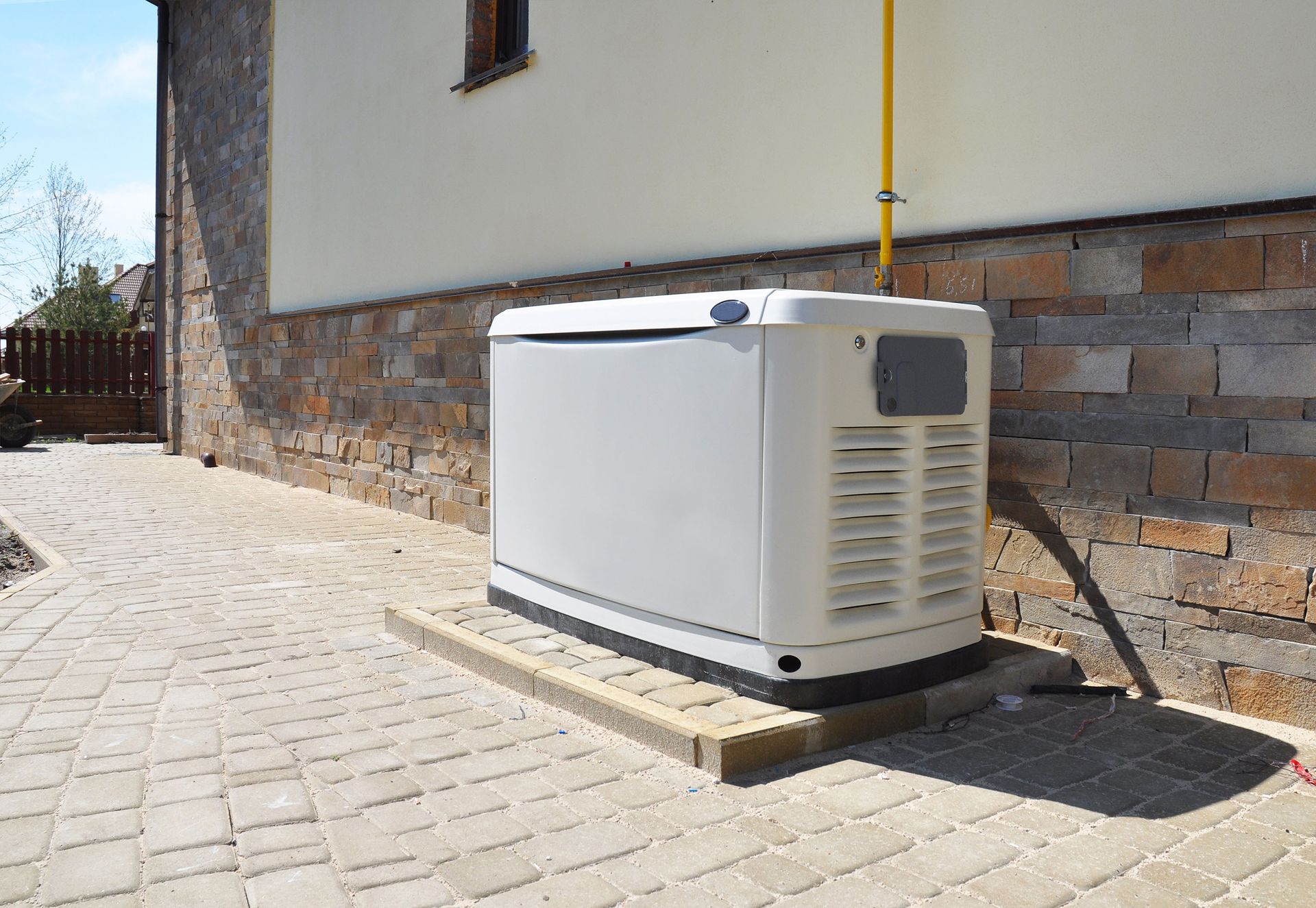
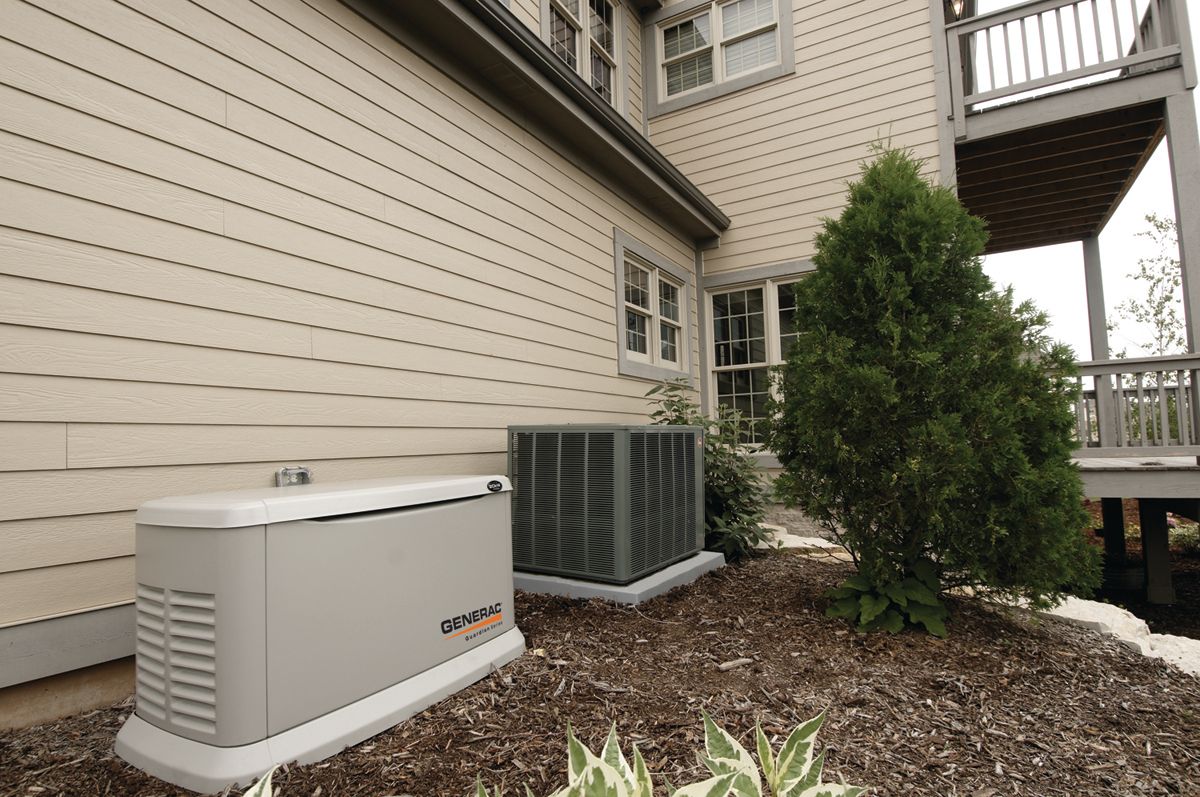
Generator placement can require a suitable pad, adequate clearances, and coordination with existing utilities. Properties with challenging access or limited installation areas may require additional preparation that changes the overall price.
2. Compare Generator Size Carefully
Evaluate Essential Electrical Loads
Some homeowners want backup power only for essential equipment, while others prefer broader whole-home coverage. Heating or cooling equipment, refrigeration, lighting, well pumps, medical devices, and other loads can influence the capacity needed.
Evaluate Starting Requirements
Motors and compressors can require more power when starting than during normal operation. Professional sizing accounts for these temporary demands rather than simply adding the listed operating wattage of every appliance.
Evaluate Future Electrical Needs
Homeowners planning additions, electric appliances, or other upgrades should mention them during sizing discussions. Selecting standby generators based only on current demand can limit flexibility if household electrical needs increase later.
Evaluate Oversizing Concerns
Bigger is not automatically better. An unnecessarily large system can increase equipment and installation costs without delivering meaningful additional value. Professional load calculations can help match capacity more closely to the property.
3. Compare Fuel Options Before Buying
Consider Natural Gas Availability
Homes with existing natural gas service may have one possible fuel source already available. Installation planning should still account for gas capacity, meter requirements, piping, and the generator manufacturer's specifications.
Consider Propane Storage
Propane can provide another option where natural gas is unavailable. Tank size, placement, refill planning, and expected runtime can all affect convenience and overall operating costs.
Consider Local Fuel Conditions
The most practical fuel source can depend on local infrastructure and property conditions. An electrical contractor can coordinate with appropriate fuel professionals to determine which configuration is suitable for the selected system.
Consider Long-Term Operating Costs
The purchase price is only one part of ownership. Comparing standby generators should also include expected fuel use, maintenance requirements, and how frequently the system is likely to operate during outages or routine testing.
4. Compare Warranties and Maintenance Requirements
Check Equipment Warranty Terms
Generator warranties can differ in length, coverage, and exclusions. Homeowners should compare what is actually protected rather than assuming all manufacturers provide similar terms.
Check Installation Coverage
Equipment and workmanship can have separate warranty provisions. A detailed proposal should explain what coverage applies to the generator itself and what applies to the installation work.
Check Routine Maintenance Needs
Standby systems require periodic attention such as inspections, testing, and manufacturer-recommended service. These costs should be considered when comparing the long-term value of standby generators rather than only the initial purchase price.
Check Service Availability
A strong warranty is more useful when qualified service is available if a problem develops. Asking who handles future maintenance and repairs can help homeowners understand the complete ownership experience.
5. Compare Quotes From Qualified Installers
Look Beyond the Lowest Bid
A significantly lower quote can reflect differences in equipment, scope, preparation, or included services. Comparing proposals line by line can reveal whether one estimate excludes work that another provider has already accounted for.
Ask About Generator Experience
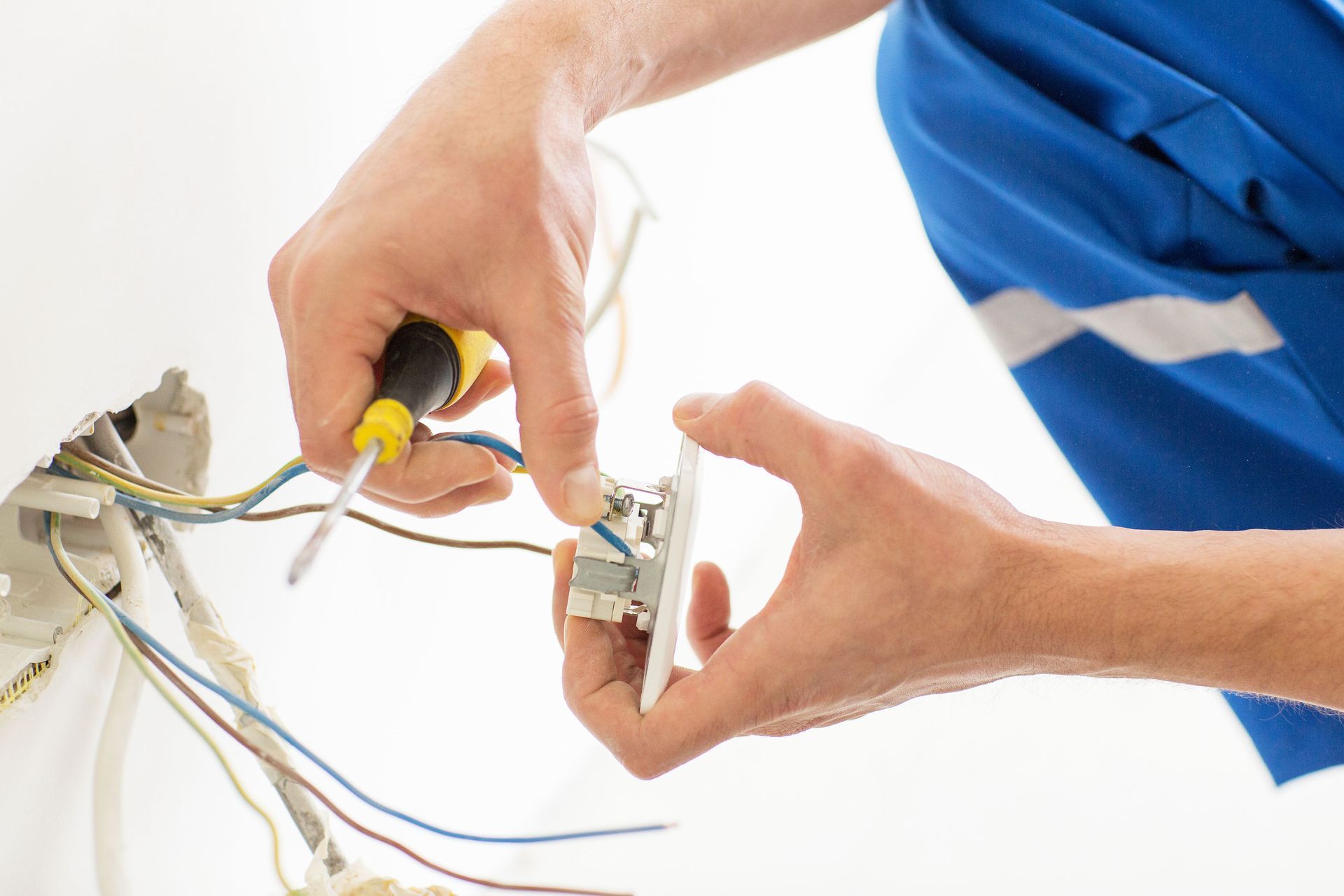
Installation involves electrical load calculations, transfer equipment, code requirements, and coordination with the home's electrical service. Contractors familiar with standby generators can explain how these elements affect system selection and installation.
Ask About Project Scheduling
Availability can matter when homeowners want backup power in place before a particular season. Equipment supply, permitting, inspections, and utility coordination can all influence the timeline, so realistic scheduling should be part of the discussion.
Ask for a Detailed Scope
A written proposal should clearly describe equipment, labor, electrical components, site work, permits, testing, and other included services. Clear documentation makes it easier to compare competing quotes fairly.
6. Look for Promotions
Watch for Manufacturer Promotions
Equipment manufacturers and installers may periodically offer rebates, financing promotions, extended warranties, or other incentives. Timing a purchase around these opportunities can lower the effective cost without sacrificing system quality.
Compare Financing Carefully
Financing can make standby generators more manageable for households that prefer not to pay the entire project cost upfront. Interest rates, repayment periods, fees, and total financed cost should all be reviewed before deciding whether an offer represents a good value.
Review Seasonal Offers
Generator pricing and promotions can change throughout the year based on demand, inventory, and seasonal conditions. Homeowners who have flexibility in their purchasing timeline can ask whether upcoming offers or available incentives could reduce the overall project cost.
Review What Each Promotion Includes
Not every discount provides the same value. One offer may reduce equipment costs, while another could include additional warranty coverage, financing terms, or service benefits. Comparing the complete value of each promotion can help homeowners avoid choosing an offer based solely on the advertised savings.
7. Consider Long-Term Value
Consider Reliability Over Initial Price
The cheapest system is not necessarily the least expensive over its lifetime. Reliability, warranty support, maintenance needs, fuel use, and service availability can all influence long-term ownership costs. A slightly higher initial investment may make more sense when it better fits the property and intended use.
Consider the Complete Ownership Experience
Backup power equipment is intended to be ready when an outage occurs, sometimes years after installation. Homeowners should consider how easily the system can be maintained, whether service support is readily available, and whether the selected capacity will continue meeting household needs over time.
Consider Future Maintenance Costs
Routine maintenance helps keep backup power equipment ready for unexpected outages. Comparing expected service intervals, replacement components, and maintenance requirements can provide a more realistic picture of what different systems will cost throughout their useful lives.
Electrical needs can change as homeowners add appliances, remodel rooms, expand the property, or adopt new electrical equipment. Selecting a system with future needs in mind can help prevent the generator from becoming poorly matched to the household as power demands evolve.
Finding a good deal on backup power involves more than locating the lowest generator price. Comparing full installation costs, selecting appropriate capacity, reviewing fuel options, examining warranties, evaluating qualified installers, watching for promotions, and considering long-term ownership can all help homeowners make a more informed purchase. For professional guidance on selecting and installing standby generators, contact Stansbury Electric today to discuss backup power options suited to your home's electrical needs and budget.


Share On: