
7 Essential Tips From Trusted Electricians
Electrical systems are an essential part of every modern home, powering everything from lighting and appliances to heating and cooling equipment. Understanding how these systems work can help homeowners identify potential problems, improve energy efficiency, and make safer decisions about electrical projects. According to the U.S. Energy Information Administration, U.S. utilities and independent power producers will add 22 gigawatts by the end of 2026. Whether you are handling a simple maintenance task or preparing for a larger upgrade, knowing when to work carefully on your own and when to call qualified professionals is important. This guide covers practical electrical tips, common safety concerns, useful tools, energy-saving strategies, and considerations for working with electricians.
Understanding Electrical Circuits
An electrical circuit is a network of wires, power sources, and components that work together to allow electricity to flow. Wires carry electrical current, while components such as resistors control how much electricity moves through a circuit. Understanding these basic elements makes it easier to recognize how household electrical systems operate.
Circuits can generally be arranged in series or parallel configurations. Series circuits send current through each connected component, while parallel circuits provide separate paths for electricity. Household wiring commonly relies on parallel arrangements because individual devices can operate independently.
Common circuit problems include short circuits, damaged wiring, loose connections, and faulty equipment. These issues can create excessive current flow and increase the risk of electrical damage or fire. Regular inspections can help identify potential problems before they become more serious.
Selecting and Maintaining Electrical Tools
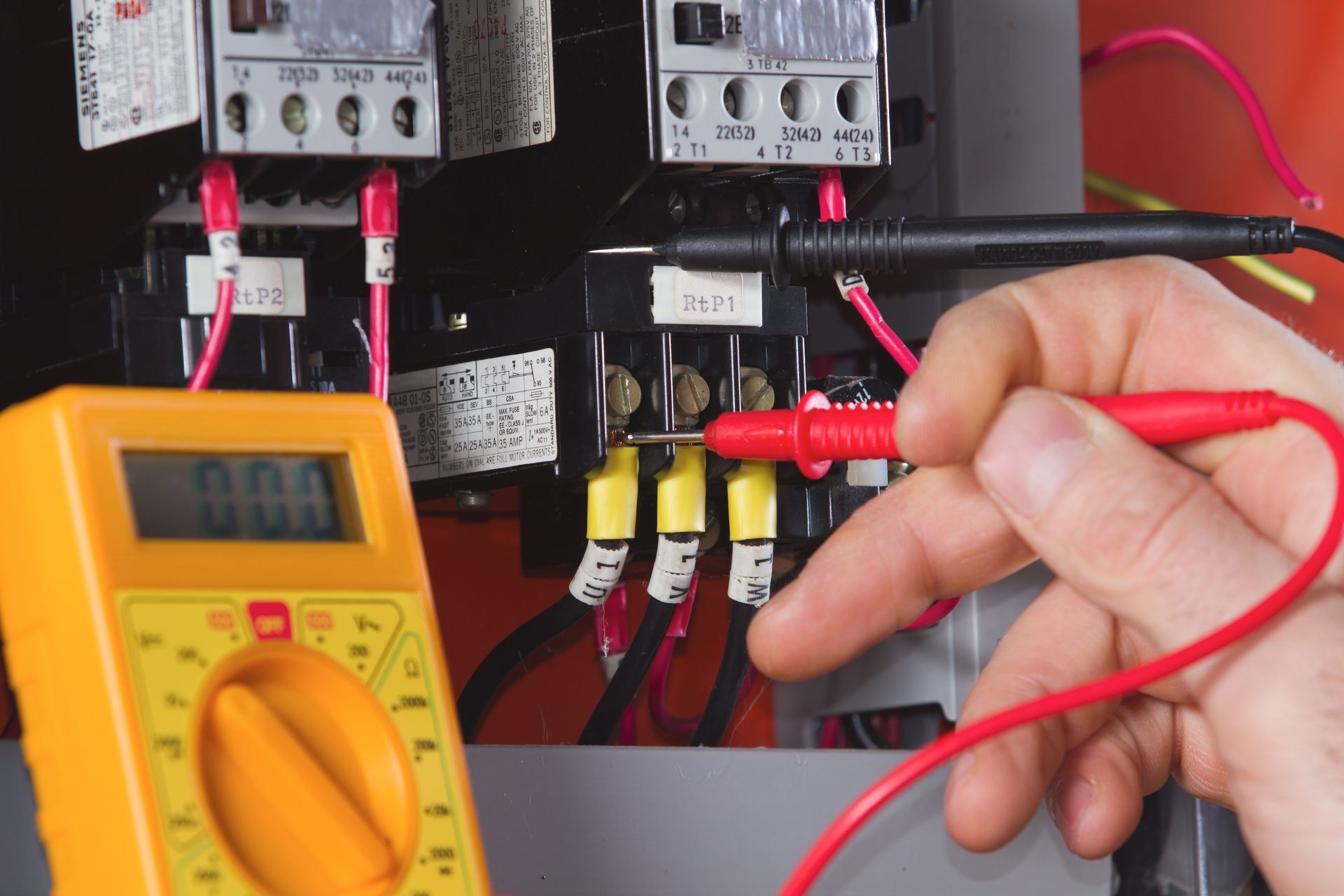
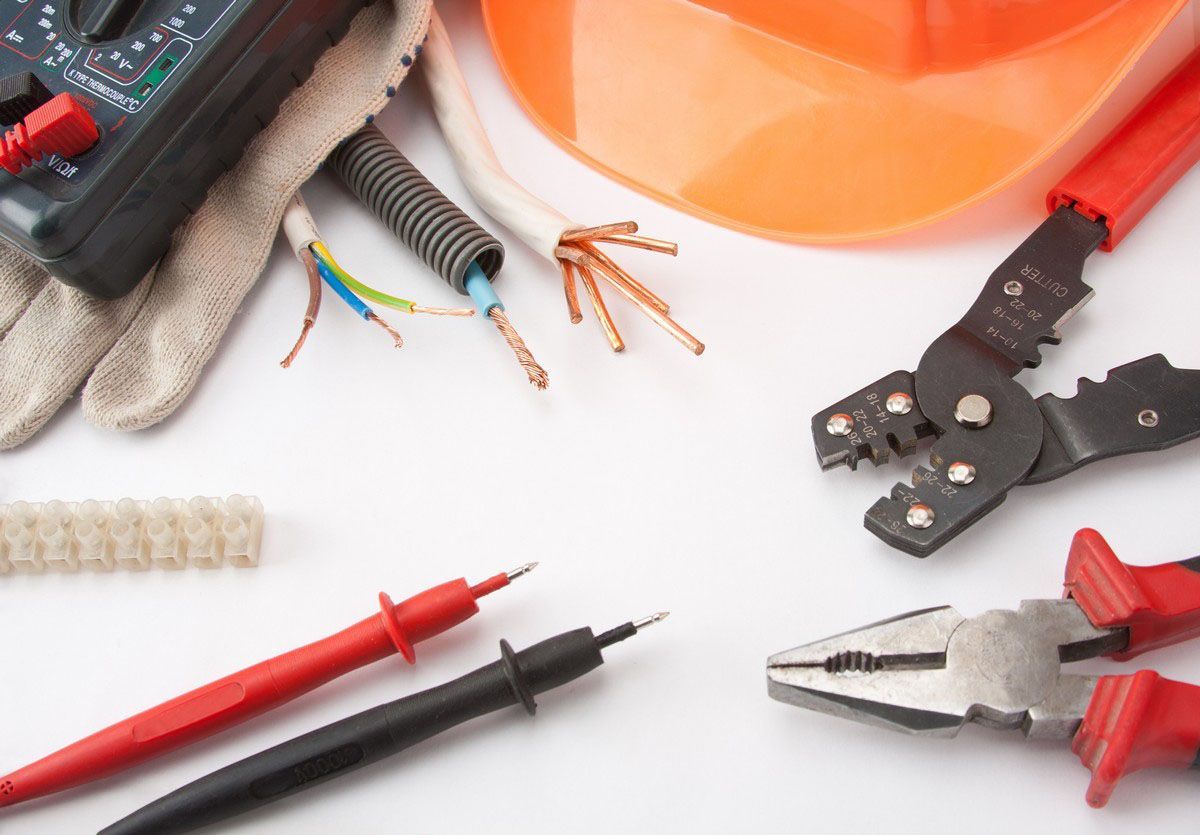
Basic electrical work may require tools such as screwdrivers, pliers, wire cutters, and voltage testers. A multimeter can measure voltage, current, and resistance, making it useful when troubleshooting electrical problems. Voltage testers are particularly helpful for confirming whether a circuit is energized before work begins.
Keeping tools in good condition is equally important. Inspect them regularly for damage, worn insulation, corrosion, or loose components. Store tools in a dry and organized location to prevent deterioration and make them easier to locate when needed.
More complicated electrical work may require specialized equipment, including thermal imaging cameras, circuit analyzers, wire tracers, and oscilloscopes. These tools can help identify problems that are difficult to locate through visual inspection alone.
Approaching DIY Electrical Projects Safely
Before beginning a DIY electrical project, understand the scope of the work and gather the necessary materials and tools. Planning each step in advance can help prevent mistakes and make it easier to recognize when a project is beyond your experience.
One of the most important safety practices is turning off power before working on an electrical component. Never assume that a circuit is inactive simply because a switch has been turned off. Use an appropriate tester to verify that power has been disconnected.
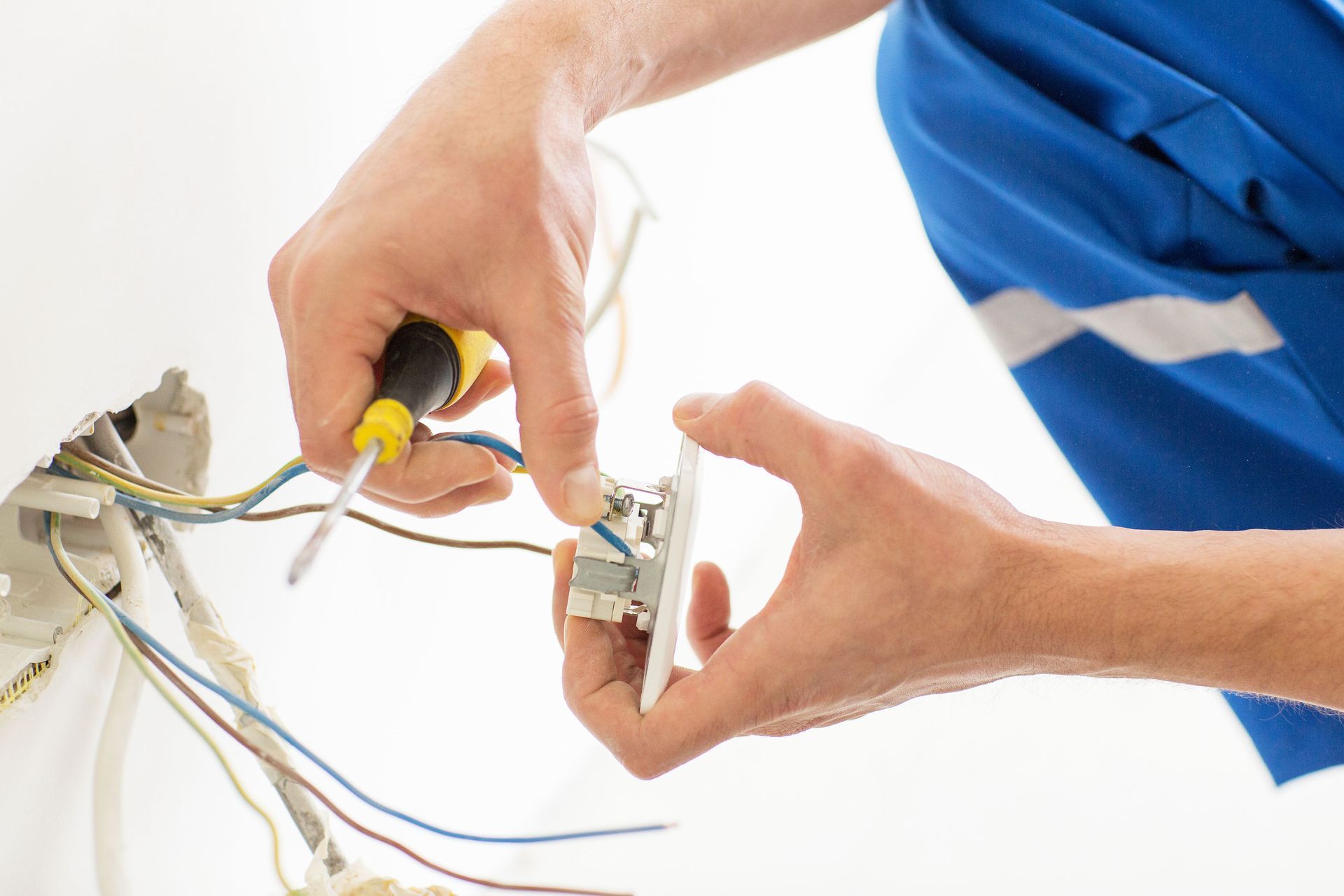
Simple projects may include replacing certain light fixtures or outlets, provided the homeowner understands the wiring and follows the manufacturer's instructions. Connections should be secure, components should be properly installed, and the finished work should be checked before restoring power.
More complex work, such as upgrading an electrical panel, rewiring a room, or making substantial changes to a home's electrical system, should be handled by licensed electricians. Attempting unfamiliar work can create shock, fire, equipment, or code-compliance hazards.
Homeowners should also check local requirements before beginning electrical projects. Some work may require permits or inspections, and requirements can vary by location. Following applicable regulations helps ensure that electrical modifications meet established safety standards.
Improving Electrical Safety at Home
Electrical hazards can develop gradually, making regular inspections important. Outdated wiring, overloaded circuits, damaged outlets, frayed appliance cords, and unusual sounds or smells can all indicate potential problems.
Families with young children can take additional precautions around outlets. Outlet covers can help prevent children from inserting objects into unused receptacles, while tamper-resistant outlets provide another layer of protection.
Surge protectors can help shield electronic equipment from voltage spikes caused by power fluctuations or lightning. Choose products appropriate for the equipment being protected and replace damaged or worn surge protectors.
Grounding and bonding are also important elements of electrical safety. Proper grounding provides a path for fault current, while bonding helps equalize electrical potential between conductive components. Homeowners who are unsure whether these systems are properly configured should have them evaluated by qualified electricians.
Every household should also have an emergency plan for electrical problems. Make sure family members know where the circuit breaker is located and understand that water should never be used on an electrical fire. Smoke detectors and appropriate fire extinguishers should be maintained and tested regularly.
Making the Home More Energy Efficient
Energy-efficient appliances can reduce household electricity consumption while maintaining everyday performance. When replacing appliances, homeowners can look for ENERGY STAR-certified products that meet established efficiency standards.
Reducing standby power is another simple way to lower unnecessary energy use. Many electronic devices continue drawing electricity even when they are not actively being used. Power strips, smart plugs, and unplugging equipment when it is not needed can help reduce this consumption.
Smart home technology can also improve energy management. Smart thermostats, lighting controls, and other connected devices can adjust settings based on schedules, occupancy, and usage patterns. These systems can give homeowners greater control over how and when electricity is consumed.
Lighting upgrades can provide another opportunity for savings. LED bulbs generally use less electricity and last longer than traditional incandescent bulbs. Dimmable, programmable, and smart lighting systems can further improve control over household energy use.
Regular maintenance is also important for efficiency. Faulty wiring and poorly maintained electrical equipment can contribute to wasted energy. Keeping major home systems maintained can improve performance and reduce the likelihood of expensive repairs.
Working With Qualified Professionals
When professional assistance is necessary, homeowners should take time to find qualified electricians. Look for appropriate licensing and insurance, along with experience handling the type of work required. Recommendations, reviews, and professional directories can also help when evaluating potential service providers.
Before work begins, request a clear estimate that explains labor, materials, and the expected scope of the project. Obtaining multiple estimates can provide useful information about the range of services and costs involved. Ask questions about anything that is unclear before approving the work.
Clear communication can also make an electrical project more efficient. Explain the problem, describe any symptoms you have noticed, and identify the outcome you want. Providing relevant information allows electricians to better understand the situation and determine an appropriate approach.
For larger projects, a written contract should identify the scope of work, expected timeline, pricing, warranties, and responsibilities. A detailed agreement gives both the homeowner and contractor a clear reference throughout the project.
Maintaining a relationship with trusted electricians can also make future maintenance easier. Having a professional familiar with your home's electrical system can be useful when repairs, inspections, upgrades, or emergency services become necessary.
Keeping Your Home Safe and Efficient
Understanding basic electrical principles gives homeowners valuable insight into the systems that power their properties. Proper tools, careful planning, routine inspections, and attention to safety can help prevent avoidable problems.
At the same time, knowing the limits of DIY work is essential. Electrical systems can present serious hazards when handled incorrectly, and complex projects may require specialized knowledge, equipment, permits, or inspections. When a project goes beyond basic maintenance, working with qualified electricians can help protect your home, property, and family.
For homeowners looking to improve electrical efficiency, heating and cooling performance, or overall home comfort, Golden Days Heating & Cooling can help. Contact Golden Days Heating & Cooling to discuss your home's heating and cooling needs and explore practical solutions for maintaining a comfortable and efficient home.


Share On: